 EN
EN

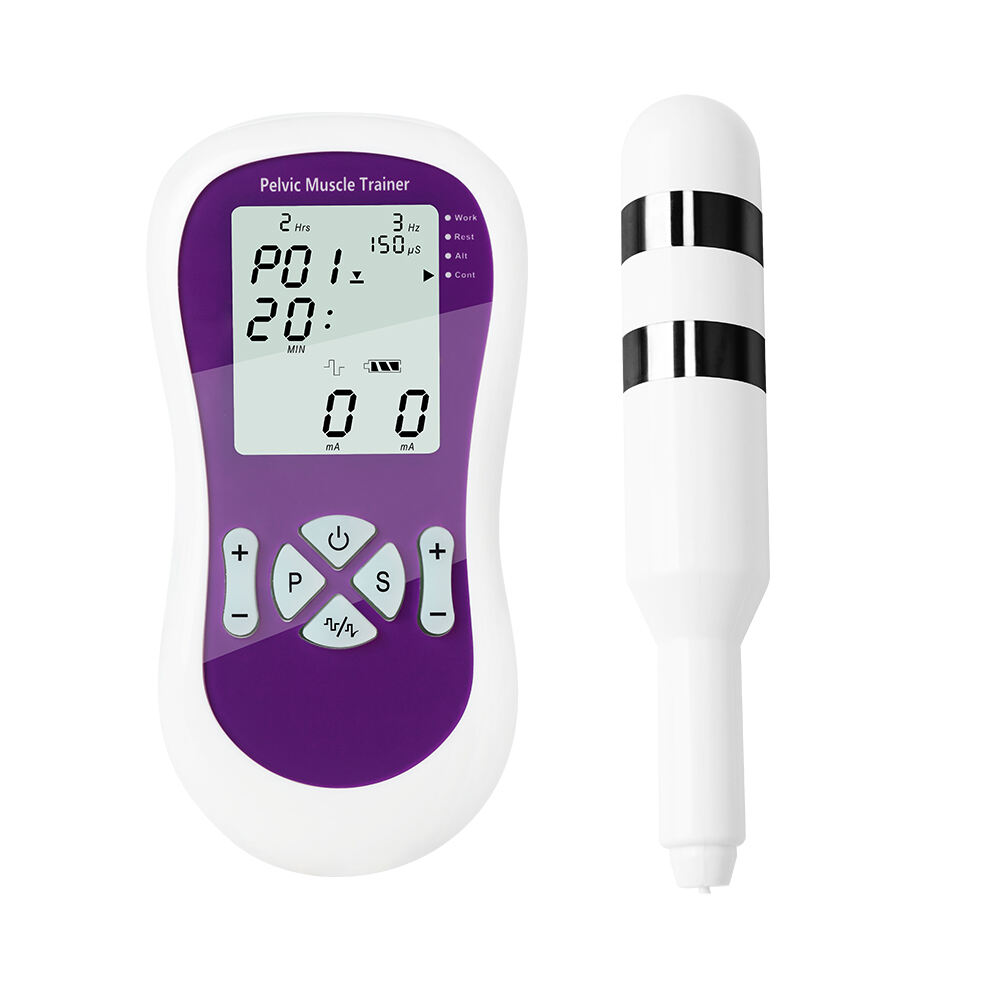
Have you ever felt embarrassed by sudden urine leakage when laughing or coughing, abdominal distension when lifting heavy objects, or a "loose" feeling after childbirth? This is not just a "postpartum sequela" or a "normal sign of aging"—it’s your pelvic floor muscles, the "invisible hammock" in your body, failing to work properly.
As someone who struggled with postpartum urine leakage for half a year, I tried Kegel exercises but couldn’t find the right way to exert force, and didn’t have time for hospital-based rehabilitation. It wasn’t until I used a pelvic floor muscle stimulator that I finally got rid of this hidden trouble. Today, I’ll share what a pelvic floor stimulator is, how to use it, who needs it, and a beginner’s guide to avoid pitfalls.
Why Are Pelvic Floor Muscles Important?
The pelvic floor muscles are the core support of your body, like a tight hammock holding pelvic organs such as the bladder, uterus, and rectum. They control urination and defecation, and affect posture and intimacy quality.
Pregnancy and childbirth (whether vaginal or cesarean), long-term constipation, chronic coughing, heavy lifting, prolonged sitting or standing, and even menopause (due to decreased estrogen) can damage pelvic floor muscles, leading to relaxation, urine leakage, or organ prolapse. Importantly, relaxation won’t recover on its own—early intervention is crucial.
Pelvic Floor Stimulator: A Scientific Helper, Not a Gimmick
At first, I doubted pelvic floor stimulators, but their principle is scientific and widely used in hospitals. They use low-frequency pulse current to simulate nerve signals, stimulating rhythmic contraction of pelvic floor muscles to awaken "dormant" muscles, enhance strength and elasticity, and improve blood circulation.
Compared to hospital equipment, home-use stimulators are more convenient and cost-effective, with adjustable parameters. However, they can’t replace Kegel exercises—combining both achieves the best results.
Review: 3 Months to Get Rid of Urine Leakage
I’ve used a portable home stimulator for over 3 months, and the biggest change is no more urine leakage when laughing or coughing, and no more abdominal distension. Here are key tips for beginners:
- Frequency: 2-3 times a week, 15-20 minutes each time in the early stage; 1-2 times a week for consolidation later.
- Intensity: Start from the lowest level, increase gradually—aim for slight soreness, not stinging.
- Timing: Postpartum women should use it after lochia clears (usually 42 days after delivery); others can use it anytime if there are no contraindications.
- Combination: Do 10 minutes of Kegel exercises daily (contract for 3-5 seconds, relax for 3-5 seconds, 10-15 times a set) for better results.
Note: Keep the probe clean and disinfected before and after use. Stop using immediately if you feel stinging or discomfort, and consult a doctor.
Who Can Use It? Who Can’t?
✅ Suitable for
- Postpartum women (vaginal/cesarean): 42 days to 6 months after delivery is the golden period for recovery.
- People with urine leakage (stress or urge incontinence).
- Patients with mild to moderate pelvic organ prolapse.
- Those who struggle with Kegel exercises.
- Others: People with long-term constipation, fecal incontinence, men with post-prostatectomy incontinence, and those with high pelvic floor load (e.g., athletes, manual laborers).
❌ Contraindicated for
- Pregnant women (unless advised by a doctor).
- People with acute inflammation, infection, or skin damage in the treatment area.
- Those with electronic implants (e.g., pacemakers).
- Patients with pelvic malignant tumors or severe arrhythmia.
- People with cognitive impairments who cannot cooperate.
- During menstruation (suspend intracavitary treatment).
- Those with unhealed pelvic surgery wounds (less than 6 weeks).


