 EN
EN

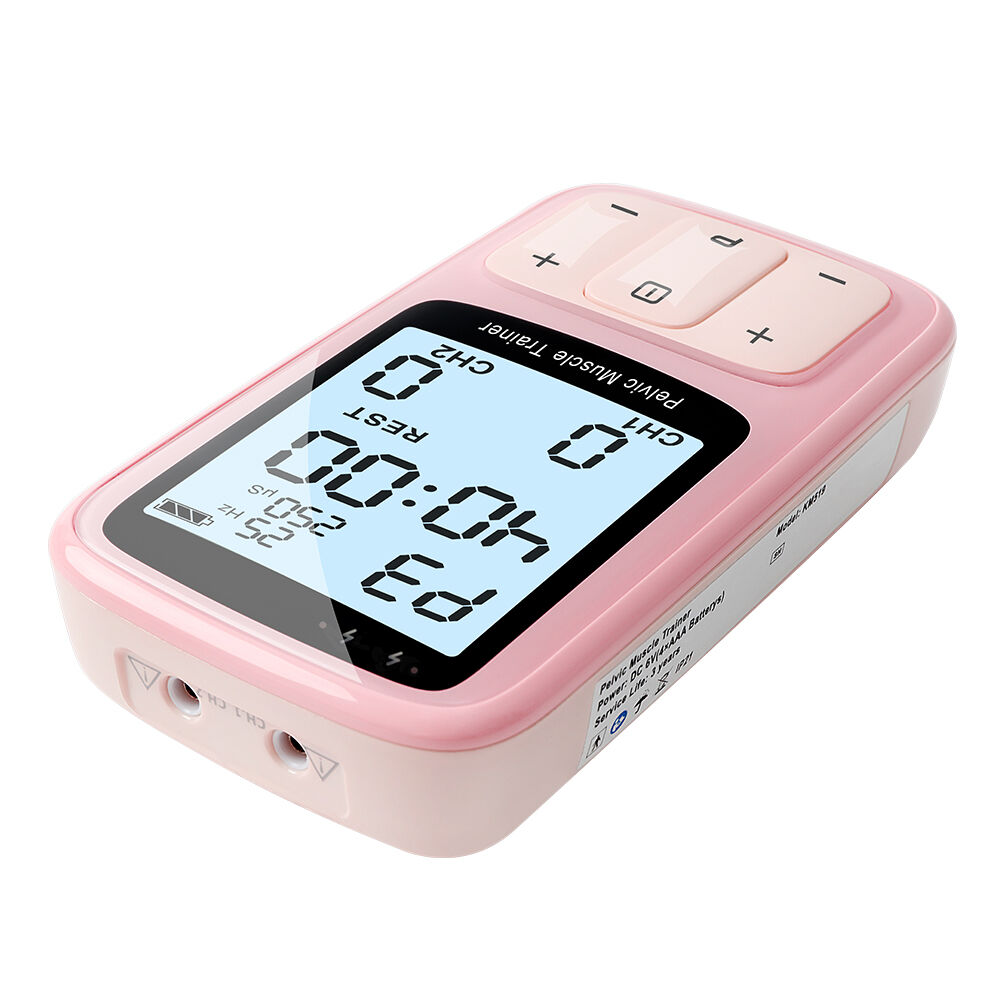
Medical professionals and patients alike have become increasingly aware of skin irritation issues associated with electrode patches used in various therapeutic and diagnostic applications. The material composition of these medical devices plays a crucial role in determining their biocompatibility and potential for causing adverse skin reactions. Understanding the relationship between electrode patches materials and skin irritation risk enables healthcare providers to make informed decisions when selecting appropriate products for patient care. The choice of materials directly impacts patient comfort, treatment compliance, and overall therapeutic outcomes in both clinical and home-use settings.
Understanding Electrode Patch Construction and Materials
Core Components of Modern Electrode Patches
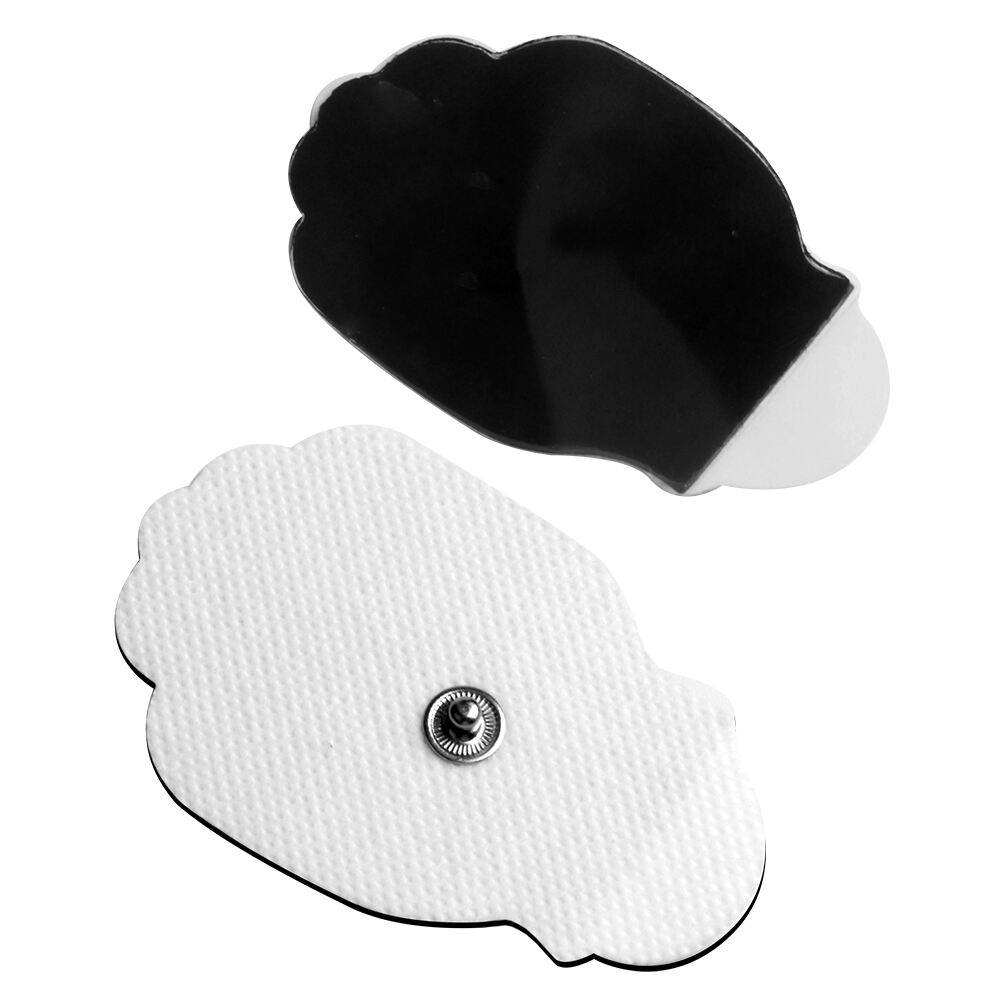
Contemporary electrode patches consist of multiple layers, each serving specific functions in signal transmission and patient comfort. The backing layer typically utilizes materials such as polyethylene, polyurethane, or foam substrates that provide structural integrity and moisture resistance. The conductive layer incorporates carbon-based materials, silver chloride, or other metallic compounds that facilitate electrical signal transfer. Between these layers, the adhesive system must balance strong adherence with gentle removal characteristics to minimize trauma during application and removal processes.
The hydrogel or solid gel layer serves as the primary interface between the electrode and patient skin, requiring careful formulation to maintain conductivity while preventing skin dehydration. Modern electrode patches often incorporate specialized polymers and cross-linking agents that enhance gel stability and reduce the likelihood of skin sensitization. These materials must demonstrate biocompatibility across diverse patient populations, including those with sensitive skin conditions or compromised barrier function.
Material Selection Criteria for Skin Safety
Manufacturers evaluate electrode patches materials based on extensive biocompatibility testing protocols that assess cytotoxicity, sensitization potential, and irritation responses. The selection process involves analyzing material interactions with various skin types, considering factors such as pH balance, osmolarity, and chemical composition. Materials undergo rigorous testing according to ISO standards and FDA guidelines to ensure they meet safety requirements for extended skin contact applications.
The evaluation of electrode patches materials also considers long-term stability and degradation products that may form during storage or use. Chemical additives, plasticizers, and manufacturing residues can contribute to skin irritation risks, making material purity and processing controls critical factors in the selection process. Advanced analytical techniques help identify potentially problematic compounds before they reach clinical applications, ensuring optimal safety profiles for end users.
Common Irritant Materials and Their Effects
Adhesive-Related Skin Reactions
Adhesive systems in electrode patches represent one of the primary sources of skin irritation, particularly when formulations contain aggressive tackifiers or cross-linking agents. Acrylate-based adhesives, while providing excellent bonding strength, can trigger contact dermatitis in susceptible individuals through both allergic and irritant mechanisms. The concentration of reactive monomers and the degree of polymerization significantly influence the irritation potential of these adhesive systems.
Rubber-based adhesives present another category of concern, as natural rubber latex proteins and synthetic rubber additives can induce severe allergic reactions in sensitized patients. Modern electrode patches manufacturers have largely transitioned away from latex-containing formulations, but legacy products and certain specialized applications may still pose risks. The presence of accelerators, antioxidants, and vulcanizing agents in rubber-based systems further complicates the irritation profile of these materials.
Conductive Material Sensitivities
Metallic components in electrode patches, particularly nickel, cobalt, and chromium compounds, represent well-documented sources of allergic contact dermatitis. Even trace amounts of these metals can trigger reactions in previously sensitized individuals, making material specification and quality control critical considerations. Silver-based conductors, while generally better tolerated, can still cause argyria or localized discoloration with prolonged exposure, especially in combination with moisture and electrical current.
Carbon-based conductive materials offer improved biocompatibility profiles compared to metallic alternatives, but their performance characteristics may vary based on particle size, surface treatment, and dispersion methods. The interaction between conductive fillers and polymer matrices can create new chemical entities with unknown sensitization potential, requiring comprehensive safety evaluation. Quality electrode patches utilize carefully characterized conductive materials with established safety profiles to minimize these risks.
Hypoallergenic Material Innovations
Advanced Polymer Technologies
Recent developments in biocompatible polymers have revolutionized the safety profile of electrode patches through the introduction of materials specifically designed for sensitive skin applications. Silicone-based adhesives offer exceptional skin tolerance while maintaining adequate bonding strength for medical applications. These materials exhibit low toxicity, minimal sensitization potential, and excellent compatibility with various skin conditions, making them ideal choices for patients requiring extended electrode contact.
Hydrocolloid technologies represent another significant advancement in electrode patches design, providing gentle adhesion through moisture-activated bonding mechanisms. These materials create a protective barrier between the electrode components and skin while facilitating electrical conduction through their hydrophilic properties. The gradual activation and deactivation of hydrocolloid adhesives reduce mechanical trauma during application and removal procedures.
Bio-Inspired Material Solutions
Researchers have developed electrode patches incorporating naturally derived materials such as chitosan, alginate, and collagen-based components that demonstrate superior biocompatibility. These biopolymers offer inherent antimicrobial properties and support natural healing processes while providing adequate electrical conductivity for medical applications. The biodegradable nature of these materials reduces accumulation concerns and minimizes long-term environmental impact.
Nanotechnology applications in electrode patches have enabled the development of ultra-thin, conformable designs that reduce mechanical stress on skin surfaces. Nanostructured materials provide enhanced surface area for electrical contact while minimizing the volume of potentially irritating substances in contact with skin. These innovations allow for electrode patches that maintain excellent performance characteristics while significantly reducing irritation risks across diverse patient populations.
Testing Methods for Material Safety Assessment
Standardized Biocompatibility Protocols
Comprehensive safety evaluation of electrode patches requires implementation of standardized testing protocols that assess multiple aspects of biocompatibility. In vitro cytotoxicity assays using established cell lines provide initial screening data on material safety, while sensitization testing using guinea pig maximization tests or local lymph node assays evaluates allergenic potential. These standardized approaches ensure consistent safety assessment across different manufacturers and regulatory jurisdictions.
Skin irritation testing typically involves controlled human patch testing or validated alternative methods that simulate realistic use conditions. The evaluation of electrode patches under occlusive conditions, elevated temperatures, and extended contact periods helps identify materials that may cause delayed or cumulative irritation effects. Advanced testing protocols also consider the impact of electrical current passage on material safety profiles, as electrochemical reactions can alter the toxicological properties of electrode components.
Clinical Validation Studies
Real-world performance data from clinical studies provides essential validation of laboratory-based safety assessments for electrode patches materials. These studies evaluate skin reactions across diverse patient populations, including individuals with compromised skin barrier function, elderly patients, and those with known sensitivities. Long-term wear studies help identify materials that maintain their safety profile throughout extended application periods while preserving electrical performance characteristics.
Post-market surveillance data collection enables continuous monitoring of skin irritation incidents associated with specific electrode patches formulations. This information helps manufacturers identify emerging safety concerns and implement design improvements to enhance patient tolerance. The integration of clinical feedback with material science research drives ongoing innovation in safer electrode patch technologies.
Risk Mitigation Strategies
Material Selection Guidelines
Healthcare providers can significantly reduce skin irritation risks by implementing systematic material selection criteria when choosing electrode patches for patient applications. Priority should be given to products that have undergone extensive biocompatibility testing and demonstrate established safety profiles across diverse patient populations. Consideration of patient-specific factors such as age, skin condition, medication use, and known allergies helps guide appropriate product selection decisions.
Documentation of previous electrode patches reactions and maintenance of detailed patient sensitivity profiles enables healthcare teams to avoid problematic materials in future applications. The implementation of standardized protocols for product rotation and skin assessment intervals helps identify early signs of material intolerance before significant irritation develops. Regular review of available electrode patch options ensures access to the most advanced and safest material technologies.
Application and Monitoring Best Practices
Proper skin preparation techniques significantly influence the compatibility of electrode patches materials with patient skin. Gentle cleansing with mild, non-irritating cleansers removes oils and debris that might interfere with adhesion while avoiding harsh chemicals that could compromise skin barrier function. Allowing adequate drying time before electrode application ensures optimal material-skin interface conditions and reduces the risk of moisture-related complications.
Regular monitoring protocols should include systematic assessment of skin condition at electrode sites, with particular attention to erythema, edema, vesiculation, or other signs of adverse reactions. Early intervention strategies, including electrode repositioning, material substitution, or temporary discontinuation, can prevent minor irritation from progressing to severe dermatitis. Documentation of skin responses helps build institutional knowledge about electrode patches performance and patient tolerance patterns.
FAQ
What are the most common signs of skin irritation from electrode patches?
The most frequent signs include redness, itching, burning sensations, and skin discoloration at the application site. More severe reactions may involve blistering, skin breakdown, or persistent marks that remain after patch removal. Patients may also experience pain or discomfort during electrode application or removal, indicating potential material incompatibility issues.
How long should electrode patches be worn before checking for skin reactions?
Initial skin assessment should occur within the first 30 minutes of electrode patches application to identify immediate hypersensitivity reactions. Subsequent monitoring should take place every 4-6 hours during extended wear periods, with more frequent checks for high-risk patients or when using new electrode formulations. Any signs of skin compromise warrant immediate evaluation and potential electrode replacement.
Can patients with sensitive skin safely use electrode patches?
Yes, patients with sensitive skin can often use electrode patches safely when appropriate material selection and application techniques are employed. Hypoallergenic formulations, reduced wear times, and careful skin preparation help minimize irritation risks. Consultation with healthcare providers about previous skin reactions and implementation of enhanced monitoring protocols ensure safe use for sensitive individuals.
What should healthcare providers do if a patient develops electrode patch irritation?
Healthcare providers should immediately remove the offending electrode patches and assess the extent of skin reaction. Mild irritation may resolve with topical moisturizers and temporary electrode discontinuation, while severe reactions may require anti-inflammatory treatments or dermatological consultation. Documentation of the reaction and identification of specific material triggers helps prevent recurrence in future applications.
Table of Contents
- Understanding Electrode Patch Construction and Materials
- Common Irritant Materials and Their Effects
- Hypoallergenic Material Innovations
- Testing Methods for Material Safety Assessment
- Risk Mitigation Strategies
-
FAQ
- What are the most common signs of skin irritation from electrode patches?
- How long should electrode patches be worn before checking for skin reactions?
- Can patients with sensitive skin safely use electrode patches?
- What should healthcare providers do if a patient develops electrode patch irritation?


