 EN
EN

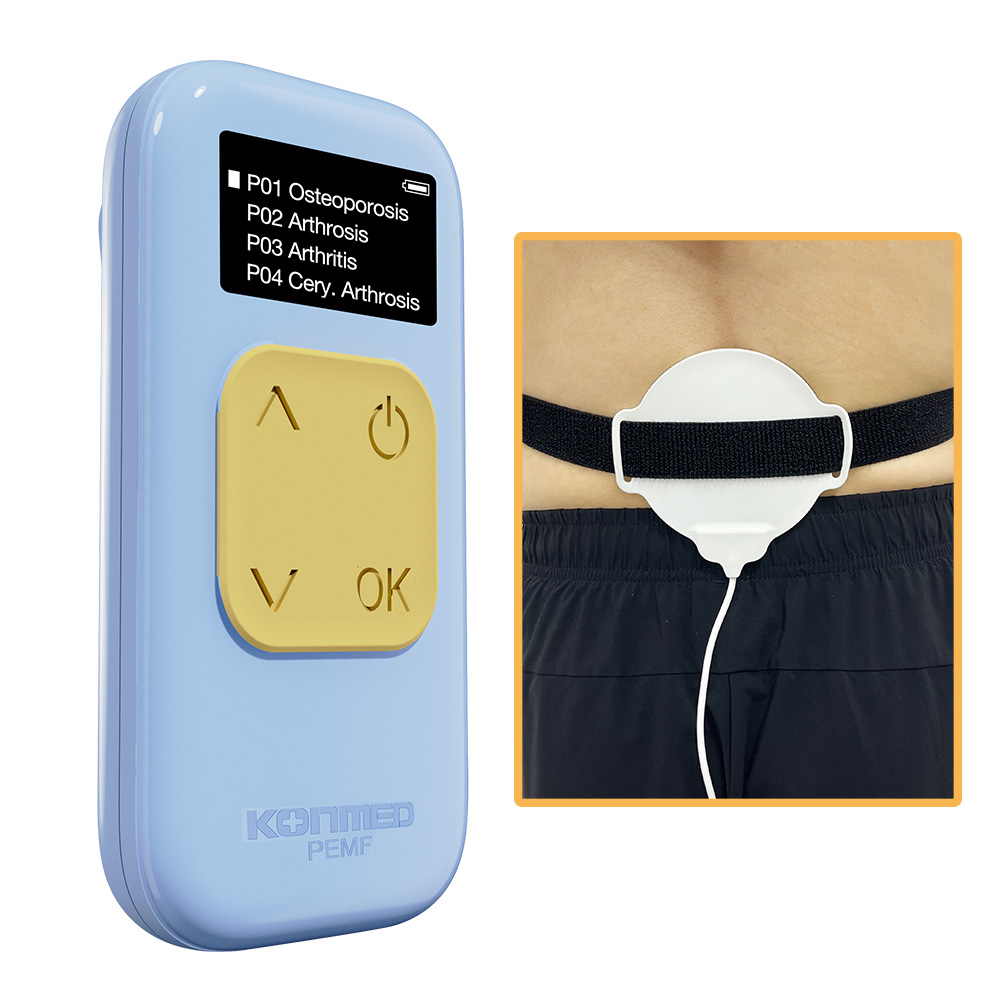
Modern orthopedic issues such as sedentary strain, sports injuries, post-fracture recovery, and age-related joint degeneration affect people of all age groups. Traditional treatments including medication, conventional physical therapy, and surgery often have limitations such as slow recovery, high recurrence rates, trauma risks, and systemic side effects.
Pulsed Electromagnetic Field (PEMF) therapy is a non-invasive, safe, and effective physical rehabilitation technology. FDA-cleared and recommended by international orthopedic guidelines, PEMF repairs bone, joint, and soft tissue damage at the cellular level and is widely applied in orthopedic rehabilitation. This article systematically explains PEMF’s working mechanism, applicable conditions, core advantages, and frequently asked questions.
1. What Is PEMF Therapy?
Human bones, cartilage, and soft tissues maintain natural bioelectrical activity. Injury and degeneration disrupt cellular bioelectric signals, weaken self-healing ability, and ultimately lead to inflammation, persistent pain, and stalled tissue repair.
PEMF delivers low-frequency pulsed electromagnetic fields that mimic the body’s natural bioelectrical signals. The energy penetrates the skin and muscle layers to target deep bone and joint lesions, regulating cellular metabolism and activating endogenous repair mechanisms. Unlike superficial physical treatments such as hot compress and infrared therapy, PEMF achieves deep tissue repair for long-term improvement rather than temporary relief.
2. How PEMF Repairs Orthopedic Damages
PEMF targets three core orthopedic problems: slow bone healing, progressive cartilage wear, and chronic inflammatory persistence. Its four major therapeutic effects cover most orthopedic conditions:
2.1 Accelerates Bone Healing & Regulates Bone Metabolism
PEMF activates key osteogenic signaling pathways, promotes callus formation and calcium deposition, and shortens fracture recovery cycles. It inhibits excessive osteoclast activity, balances bone metabolism, and improves bone density and osteoporosis. Clinically, PEMF significantly reduces the risk of delayed union and non-union, with a non-union repair success rate of 68%–90%.
2.2 Protects Cartilage & Slows Joint Degeneration
Articular cartilage has limited self-repair capacity. PEMF enhances chondrocyte activity, reduces extracellular matrix loss, and suppresses intra-articular sterile inflammation. It effectively relieves joint swelling, stiffness, and pain and delays degenerative progression in knees, shoulders, ankles, and other weight-bearing joints.
2.3 Eliminates Deep Inflammation & Relieves Chronic Pain
PEMF improves microcirculation in lesion areas, accelerates the excretion of inflammatory metabolites, and reduces peripheral nerve sensitivity. Clinical data shows that PEMF reduces patient pain scores by more than 36% on average, and over half of patients can reduce their reliance on analgesic medications for strain pain and post-surgical residual pain.
2.4 Improves Spinal Degeneration & Nerve Compression
PEMF alleviates intervertebral disc edema, inhibits nucleus pulposus inflammatory responses, and reduces nerve root compression. It effectively relieves neck and lumbar pain, numbness, and limited mobility caused by cervical and lumbar disc degeneration.
3. Key Clinical Applications
PEMF covers injury recovery, post-operative rehabilitation, and chronic orthopedic conditioning:
Fracture & Bone Injury: Acute fracture recovery, post-orthopedic surgery rehabilitation, delayed union, non-union, and stress fractures
Joint Degeneration: Osteoarthritis, synovitis, frozen shoulder, osteophytes, and mild meniscus injuries
Spinal Disorders: Cervical and lumbar disc herniation, fasciitis, chronic spinal strain, and post-spinal surgery recovery
Soft Tissue & Sports Injury: Muscle strain, ligament sprain, tendinitis, tennis elbow, and Achilles tendinitis
Bone Loss & Osteoporosis: Age-related bone density decline and post-menopausal osteoporosis, reducing fracture risks
4. Advantages Over Traditional Treatments
Non-Invasive & Safe: Pure physical intervention without medication, injection, or surgery; no liver or kidney side effects, suitable for elderly and physically weak patients
Deep Tissue Repair: Penetrates deep lesions to restore cellular function, rather than merely masking pain superficially
Convenient & Efficient: Controllable single treatment duration, no disruption to daily life, and stable curative effects through standardized courses
Low Recurrence Rate: Improves local microenvironment, eliminates chronic inflammation, and reduces pain recurrence and drug dependence
Ideal for Post-Op Rehabilitation: Safely accelerates post-surgical bone and soft tissue repair, relieves joint stiffness, adhesion, and residual pain


