 EN
EN

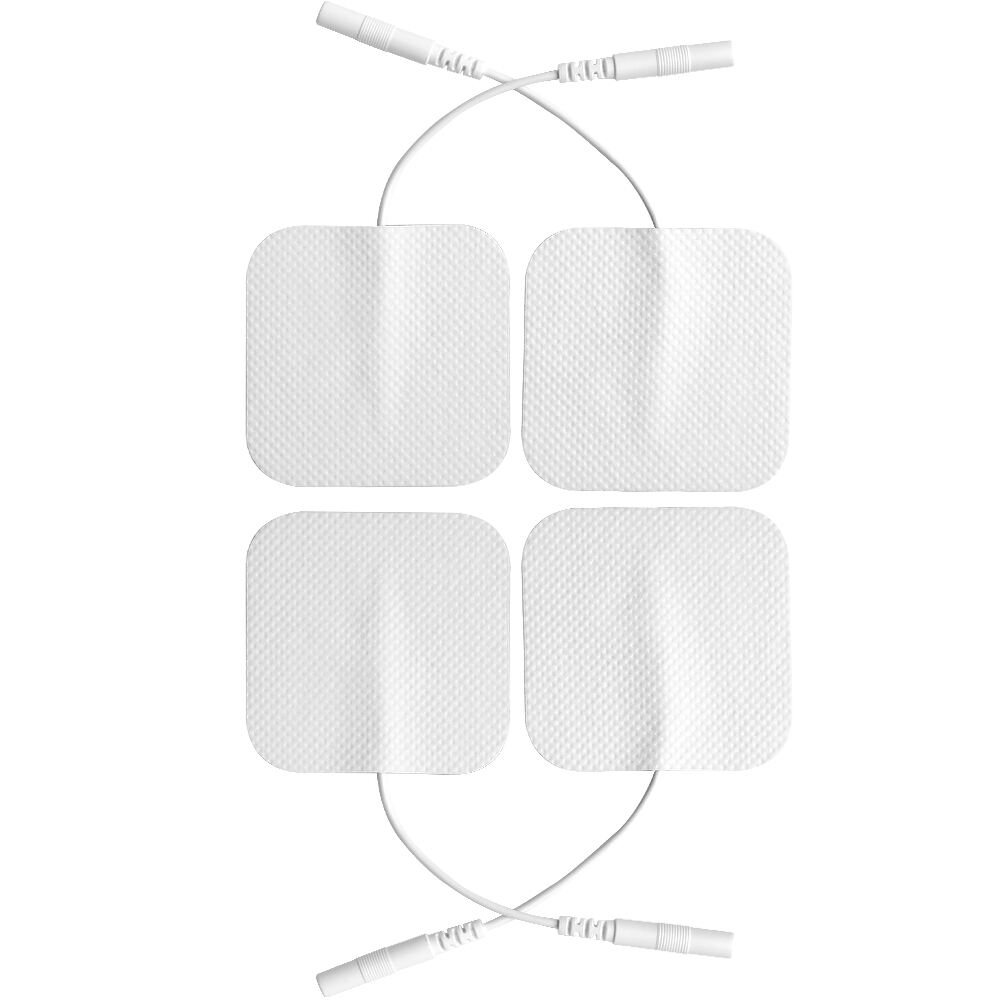
Medical electrode patches represent a critical component in modern healthcare monitoring and therapeutic applications. These adhesive medical devices must maintain consistent contact with patient skin throughout extended use periods, making their edge design absolutely crucial for preventing premature peel-off. Healthcare professionals worldwide rely on electrode patches for ECG monitoring, electrotherapy treatments, and various diagnostic procedures where secure adhesion can mean the difference between accurate readings and compromised patient care.
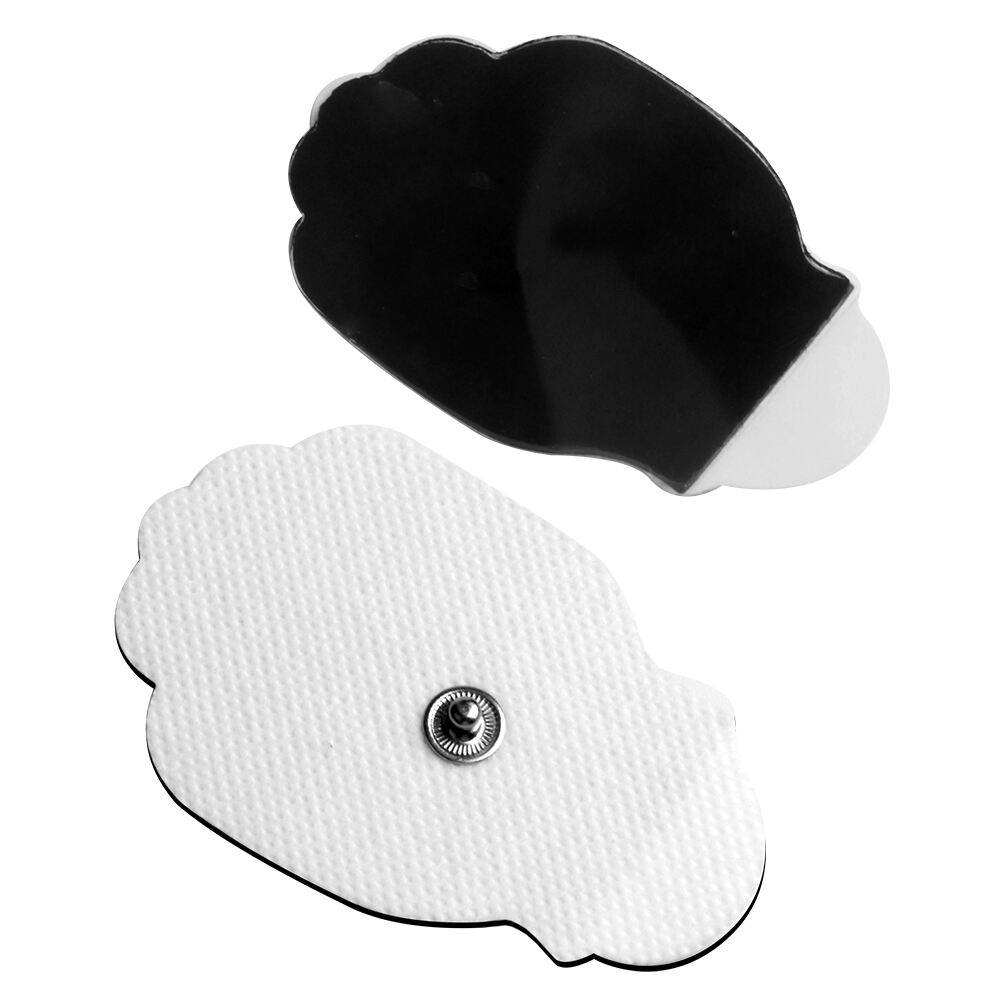
The engineering behind electrode patches involves sophisticated materials science and adhesive technology that must balance conductivity, biocompatibility, and long-term adhesion. When electrode patches fail to maintain proper skin contact, medical professionals face interrupted monitoring, unreliable data collection, and potential patient safety concerns. Understanding the relationship between edge design and adhesion performance helps healthcare facilities select the most appropriate electrode patches for their specific clinical requirements and patient populations.
Fundamental Principles of Electrode Patch Adhesion
Adhesive Mechanics in Medical Applications
The adhesion mechanism of electrode patches relies on van der Waals forces, mechanical interlocking, and chemical bonding between the adhesive layer and skin surface. Medical-grade adhesives used in electrode patches must create intimate contact with microscopic skin irregularities while remaining gentle enough to prevent skin damage upon removal. The adhesive formulation typically combines acrylic polymers, tackifiers, and crosslinking agents that provide initial tack, cohesive strength, and long-term adhesion stability.
Temperature, humidity, and skin preparation significantly influence how electrode patches perform in clinical settings. Body heat activates thermoplastic adhesives, improving their flow characteristics and enhancing surface wetting. Moisture management becomes critical since excessive perspiration can compromise adhesive performance, while inadequate skin hydration may reduce initial bonding strength. Professional electrode patches incorporate moisture-resistant formulations that maintain adhesion even under challenging physiological conditions.
Edge Geometry and Stress Distribution
The edge design of electrode patches determines how mechanical stresses distribute across the adhesive interface during patient movement and environmental changes. Sharp corners and abrupt thickness transitions create stress concentration points that initiate peel failure, while rounded edges and gradual tapers distribute forces more evenly across the adhesive area. Advanced electrode patches feature engineered edge profiles that minimize peak stress values and extend adhesion durability.
Finite element analysis reveals that electrode patches with optimized edge geometry can reduce peak peel stresses by up to 40% compared to conventional rectangular designs. The relationship between edge radius, adhesive thickness, and backing material stiffness creates complex interactions that require careful optimization for maximum adhesion performance. Manufacturing precision in edge formation directly impacts clinical reliability and patient comfort during extended monitoring periods.
Material Engineering for Enhanced Edge Performance
Advanced Backing Materials and Conformability
Modern electrode patches utilize sophisticated backing materials that provide structural support while maintaining flexibility for patient comfort and movement accommodation. Polyurethane films, woven fabrics, and composite laminates offer different combinations of tensile strength, elongation characteristics, and conformability to body contours. The backing material selection influences how edge stresses develop and propagate during use, making material choice critical for preventing peel-off failures.
Breathable backing materials in electrode patches help manage moisture accumulation beneath the adhesive, reducing the risk of adhesion loss due to sweat buildup. Microporous films and perforated substrates allow controlled vapor transmission while maintaining barrier properties against external contaminants. The integration of antimicrobial treatments in backing materials provides additional protection against skin irritation and infection risks during prolonged electrode patch applications.
Adhesive Layer Optimization and Edge Sealing
The adhesive layer thickness and distribution pattern significantly impact edge performance in electrode patches, with thicker edges providing improved mechanical anchoring but potentially causing patient discomfort. Gradient adhesive applications create smooth thickness transitions that reduce peel initiation while maintaining secure bonding across the entire patch surface. Advanced manufacturing techniques enable precise control over adhesive distribution, ensuring consistent edge performance across production batches.
Edge sealing technologies prevent adhesive migration and contamination that can compromise long-term performance of electrode patches. Thermal sealing, ultrasonic welding, and chemical crosslinking create durable edge barriers that maintain adhesive integrity throughout the product lifecycle. Quality control testing verifies edge seal effectiveness under accelerated aging conditions that simulate extended storage and clinical use scenarios.
Clinical Performance Factors and Edge Design Optimization
Patient Movement and Dynamic Loading Effects
Real-world clinical environments subject electrode patches to complex mechanical loading conditions that vary with patient activity levels, positioning changes, and physiological movements. Cardiac monitoring applications require electrode patches that maintain adhesion during chest expansion and contraction cycles, while physical therapy electrodes must withstand muscle contractions and joint movements. Edge design optimization accounts for these dynamic loading patterns to prevent fatigue-induced adhesion failures.
Biomechanical studies demonstrate that electrode patches with tapered edges exhibit superior performance under cyclic loading conditions compared to square-cut alternatives. The gradual thickness transition reduces stress concentration effects that accelerate crack propagation and edge lifting. Clinical trials validate these findings, showing significantly extended wear times for electrode patches featuring optimized edge geometries in demanding applications such as ambulatory monitoring and rehabilitation therapy.
Environmental Resistance and Edge Integrity
Healthcare environments expose electrode patches to various environmental challenges including temperature fluctuations, humidity changes, and chemical exposures that can degrade edge performance over time. Sterilization processes, cleaning protocols, and storage conditions all influence how electrode patches maintain their adhesive properties and edge integrity. Comprehensive testing protocols evaluate edge performance under simulated clinical conditions to ensure reliable operation throughout the intended use period.
Advanced electrode patches incorporate edge protection features such as reinforcement strips, barrier coatings, and sealed perimeters that resist environmental degradation. These protective measures extend the effective service life of electrode patches while maintaining consistent electrical performance and patient safety standards. Quality assurance programs monitor edge performance metrics across different environmental exposure scenarios to validate design effectiveness and manufacturing consistency.
Manufacturing Excellence and Quality Control in Edge Production
Precision Cutting and Edge Finishing Techniques
The manufacturing process for electrode patches requires exceptional precision in edge cutting and finishing to achieve optimal adhesion performance and patient comfort. Die-cutting technologies, laser trimming, and ultrasonic cutting each offer different advantages for creating clean, consistent edges that minimize stress concentration points. Manufacturing tolerances must be tightly controlled to ensure uniform edge geometry across production runs and maintain clinical performance standards.
Edge finishing operations remove cutting debris, smooth rough surfaces, and apply protective treatments that enhance adhesion durability in electrode patches. Post-cutting inspection systems verify edge quality using automated vision systems and dimensional measurement tools that detect deviations from specified tolerances. Statistical process control monitors edge quality metrics to identify trends and implement corrective actions before quality issues impact clinical performance.
Testing Protocols and Performance Validation
Comprehensive testing protocols evaluate edge performance characteristics of electrode patches under controlled laboratory conditions and simulated clinical scenarios. Peel testing, adhesion strength measurement, and edge integrity assessments provide quantitative data on adhesive performance and durability. Standardized test methods ensure consistent evaluation criteria across different electrode patches designs and manufacturing processes.
Accelerated aging studies subject electrode patches to elevated temperature, humidity, and mechanical stress conditions that simulate extended clinical use in compressed timeframes. These tests reveal potential edge failure modes and validate design margins for real-world applications. Clinical validation studies compare laboratory test results with actual performance data from healthcare facilities to verify the predictive accuracy of quality control testing protocols.
Future Innovations in Electrode Patch Edge Technology
Smart Materials and Adaptive Adhesion Systems
Emerging technologies in electrode patches incorporate smart materials that respond to environmental conditions and patient physiology to optimize adhesion performance dynamically. Shape memory polymers, thermochromic adhesives, and pH-responsive materials enable electrode patches to adapt their properties based on skin temperature, moisture levels, and other physiological parameters. These adaptive systems promise improved patient comfort and extended wear times for advanced monitoring applications.
Research into bio-inspired adhesion mechanisms offers new approaches for electrode patches that mimic natural adhesion systems found in gecko feet and mussel proteins. These biomimetic designs could provide strong initial adhesion with gentle removal characteristics, addressing long-standing challenges in medical adhesive applications. Nanotechnology enables precise control over surface topography and chemical composition at the molecular level, opening new possibilities for electrode patches optimization.
Digital Integration and Performance Monitoring
Advanced electrode patches may incorporate sensors and wireless communication capabilities that monitor adhesion status and alert healthcare providers to potential failures before they impact patient care. Integrated strain gauges, impedance sensors, and temperature monitors could provide real-time feedback on edge performance and overall electrode patches condition. This predictive capability would enable proactive replacement and reduce the risk of monitoring interruptions.
Machine learning algorithms analyzing historical performance data from electrode patches could optimize edge design parameters for specific patient populations and clinical applications. Artificial intelligence systems might predict optimal replacement intervals based on individual patient characteristics, environmental conditions, and usage patterns. These digital innovations represent the next evolution in electrode patches technology, combining traditional adhesive science with modern data analytics and connectivity.
FAQ
How does edge design affect the overall performance of electrode patches?
Edge design plays a crucial role in electrode patches performance by controlling stress distribution across the adhesive interface and preventing premature peel-off failures. Well-designed edges with rounded corners and tapered profiles distribute mechanical forces more evenly, reducing stress concentration points that typically initiate adhesion loss. This improved stress management extends wear time, maintains consistent electrical contact, and enhances patient comfort during extended monitoring periods.
What materials are most effective for creating durable electrode patches edges?
The most effective electrode patches utilize combination of flexible backing materials such as polyurethane films or breathable fabrics paired with medical-grade acrylic adhesives that provide optimal balance of initial tack and long-term adhesion. Advanced formulations incorporate moisture-resistant properties and antimicrobial treatments that maintain edge integrity under challenging clinical conditions. The key is selecting materials that offer appropriate flexibility to accommodate patient movement while providing sufficient structural support to prevent edge lifting.
Can electrode patches with poor edge design cause patient safety issues?
Poor edge design in electrode patches can indeed create patient safety concerns by causing unreliable electrical contact, interrupted monitoring, and potential skin irritation from repeated repositioning attempts. When electrode patches peel off prematurely, healthcare providers may miss critical physiological events or receive inaccurate data that could impact treatment decisions. Additionally, frequently replacing failed electrode patches increases skin trauma and patient discomfort, particularly in sensitive populations such as pediatric or elderly patients.
How do healthcare facilities evaluate electrode patches edge performance before purchasing?
Healthcare facilities typically evaluate electrode patches through standardized testing protocols that assess adhesion strength, peel resistance, and wear time under simulated clinical conditions. Many facilities conduct pilot studies comparing different electrode patches brands in actual patient care scenarios to evaluate real-world performance. Key evaluation criteria include consistent adhesion throughout the intended use period, ease of removal without skin damage, electrical performance stability, and cost-effectiveness based on actual wear time rather than initial purchase price.
Table of Contents
- Fundamental Principles of Electrode Patch Adhesion
- Material Engineering for Enhanced Edge Performance
- Clinical Performance Factors and Edge Design Optimization
- Manufacturing Excellence and Quality Control in Edge Production
- Future Innovations in Electrode Patch Edge Technology
-
FAQ
- How does edge design affect the overall performance of electrode patches?
- What materials are most effective for creating durable electrode patches edges?
- Can electrode patches with poor edge design cause patient safety issues?
- How do healthcare facilities evaluate electrode patches edge performance before purchasing?


