 EN
EN

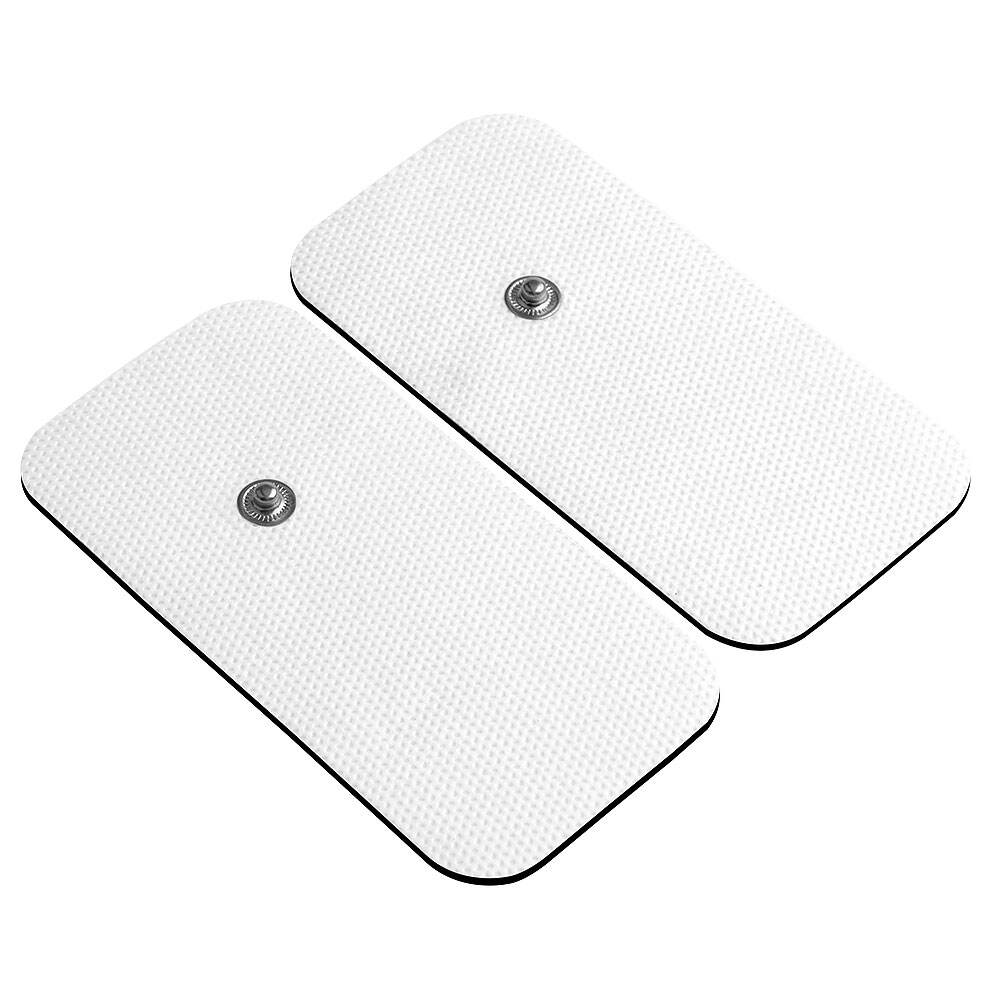
A estimulação elétrica muscular (EMS) tornou-se cada vez mais popular tanto em ambientes clínicos de reabilitação quanto em aplicações domésticas de bem-estar, contudo muitos usuários obtêm resultados subótimos devido a diversos fatores que comprometem a eficácia da EMS. Compreender esses problemas comuns é fundamental para profissionais de saúde, fisioterapeutas e indivíduos que buscam maximizar os benefícios terapêuticos da tecnologia EMS. Desde a colocação inadequada dos eletrodos até ajustes incorretos da intensidade, inúmeros fatores podem impactar significativamente os resultados do tratamento e a satisfação do paciente com a terapia de estimulação elétrica.
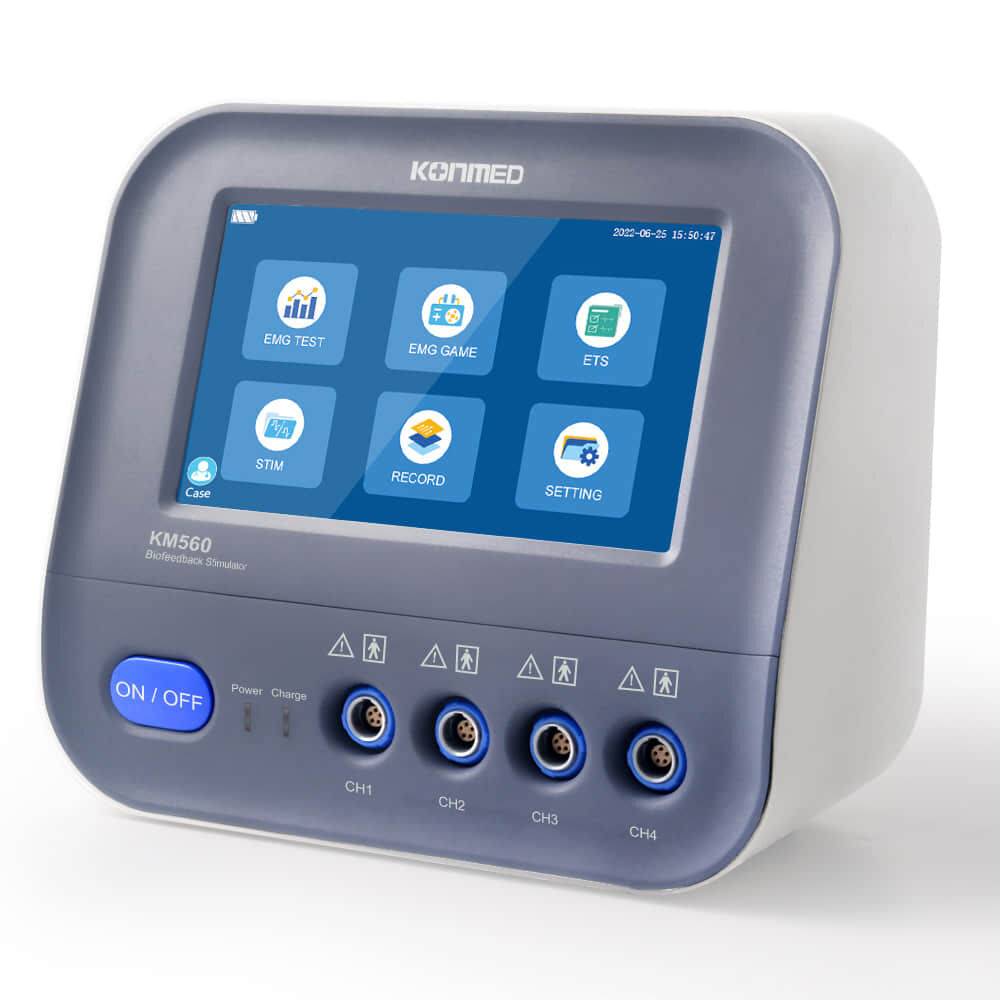
A complexidade de alcançar uma eficácia ideal da EMS vai além de simplesmente aplicar eletrodos e ativar o dispositivo. Múltiplos fatores interconectados devem estar adequadamente alinhados para garantir o sucesso terapêutico, incluindo considerações específicas ao paciente, qualidade do equipamento, protocolos de tratamento e condições ambientais. Pesquisas recentes indicam que até 40% dos usuários de EMS relatam resultados decepcionantes, muitas vezes atribuíveis a problemas evitáveis que poderiam ser resolvidos por meio de educação adequada e aperfeiçoamento da técnica.
Configuração do Dispositivo e Desafios Técnicos
Calibração Inadequada da Intensidade
Um dos principais fatores que afetam a eficácia dos EMS envolve configurações incorretas de intensidade que não atingem os limiares adequados de recrutamento muscular. Muitos usuários, especialmente em ambientes domésticos, tendem a utilizar níveis insuficientes de estimulação devido a preocupações com o desconforto ou à falta de compreensão dos requisitos terapêuticos de intensidade. Estudos clínicos demonstram que a estimulação sublimiar proporciona benefício terapêutico mínimo e pode, na verdade, retardar o progresso da recuperação em cenários de reabilitação.
Protocolos profissionais de calibração exigem uma progressão sistemática da intensidade com base na tolerância individual do paciente e nos objetivos específicos do tratamento. A amplitude da estimulação deve atingir níveis suficientes para provocar contrações musculares visíveis, mantendo-se, ao mesmo tempo, dentro dos limites de tolerância confortáveis. Os profissionais de saúde enfatizam que um tratamento eficaz com EMS frequentemente exige intensidades que, inicialmente, parecem mais fortes do que o paciente espera, exigindo períodos graduais de aclimatação e uma adequada educação do paciente sobre as sensações esperadas.
Incompatibilidade de Forma de Onda e Frequência
Dispositivos modernos de EMS oferecem diversos padrões de forma de onda e faixas de frequência, porém a seleção inadequada compromete significativamente a eficácia da EMS em diferentes aplicações terapêuticas. Formas de onda bipolares simétricas normalmente proporcionam resultados ótimos em protocolos de fortalecimento muscular, enquanto padrões assimétricos podem ser mais adequados para aplicações de controle da dor. A escolha da frequência também desempenha um papel crucial: frequências mais altas (50–100 Hz) são geralmente preferidas para fortalecimento muscular, e frequências mais baixas (2–10 Hz) são utilizadas para relaxamento muscular e alívio da dor.
Os fabricantes de dispositivos frequentemente fornecem programas predefinidos projetados para aplicações específicas, mas essas configurações genéricas podem não levar em conta as variações individuais dos pacientes quanto à composição das fibras musculares, à resposta neurológica ou aos objetivos do tratamento. As capacidades de personalização tornam-se essenciais para alcançar resultados terapêuticos ideais, especialmente em ambientes clínicos, onde o controle preciso dos parâmetros está diretamente correlacionado às taxas de sucesso do tratamento.
Problemas de Posicionamento dos Eletrodos e de Interface com a Pele
Posicionamento Subóptimo dos Eletrodos
A colocação incorreta dos eletrodos representa, possivelmente, o fator mais comum que limita a eficácia da EMS tanto em aplicações clínicas quanto domésticas. A posição adequada dos eletrodos exige conhecimento anatômico e compreensão dos padrões de inervação muscular, a fim de garantir uma distribuição ideal da corrente e uma ativação muscular ótima. Muitos usuários posicionam os eletrodos com base na conveniência ou no conforto, em vez de nos princípios fisiológicos, resultando em padrões de estimulação ineficientes e benefícios terapêuticos reduzidos.
A técnica do ponto motor, que envolve posicionar os eletrodos sobre marcos anatômicos específicos onde os nervos motores entram nos músculos-alvo, normalmente produz resultados superiores em comparação com abordagens de colocação aleatória. A distância entre os eletrodos também afeta a distribuição da corrente, sendo o espaçamento ideal variável conforme o tamanho do músculo, a anatomia do paciente e os objetivos do tratamento. O treinamento profissional enfatiza a importância da precisão na colocação dos eletrodos, pois até mesmo pequenos ajustes podem impactar drasticamente a qualidade da estimulação e o nível de conforto do paciente.
Preparação da Pele e Qualidade do Contato
A preparação inadequada da pele frequentemente compromete a eficácia dos EMS, criando barreiras de impedância que reduzem a eficiência da transmissão da corrente. A limpeza adequada da pele remove óleos, loções e células mortas que podem interferir na condutividade elétrica. Além disso, o excesso de pelos na área de tratamento pode impedir um contato ideal entre os eletrodos e a pele, exigindo o corte dos pelos ou estratégias alternativas de posicionamento para manter uma qualidade consistente da interface pele-eletrodo.
A aplicação do gel para eletrodos exige atenção cuidadosa à quantidade e aos padrões de distribuição. Gel insuficiente cria pontos de contato de alta impedância que podem causar desconforto ou estimulação irregular, enquanto gel em excesso pode permitir que a corrente se espalhe além das áreas pretendidas, reduzindo a precisão do tratamento. Produtos de qualidade para eletrodos, com propriedades adesivas adequadas e superfícies condutoras, são essenciais para manter um desempenho consistente ao longo das sessões de tratamento.
Adesão do Paciente e Conformidade com o Protocolo
Agendamento Inconsistente do Tratamento
A frequência do tratamento e a consistência das sessões influenciam significativamente a eficácia da EMS na obtenção dos resultados terapêuticos desejados. Muitos pacientes, especialmente em ambientes domiciliares, não conseguem manter horários regulares de tratamento devido a restrições de tempo, problemas de motivação ou compreensão inadequada da importância do protocolo. Pesquisas indicam que a aplicação esporádica da EMS oferece benefícios cumulativos limitados em comparação com sessões de tratamento consistentes e adequadamente espaçadas.
Protocolos baseados em evidências normalmente recomendam frequências específicas de tratamento, variando de sessões diárias para condições agudas a três vezes por semana em programas de manutenção. As adaptações fisiológicas que contribuem para os benefícios terapêuticos exigem padrões consistentes de estimulação ao longo de períodos prolongados. Cronogramas de tratamento irregulares podem interromper esses processos adaptativos, levando a efeitos de platô ou progresso reduzido, o que pode desestimular a continuidade da terapia.
Duração Inadequada da Sessão e Parâmetros
A duração da sessão impacta diretamente os efeitos cumulativos que determinam a eficácia da EMS em diversas aplicações terapêuticas. Muitos usuários interrompem as sessões prematuramente devido ao desconforto ou à impaciência, não atingindo o tempo mínimo de estimulação necessário para adaptações fisiológicas.
A progressão dos parâmetros representa outro aspecto crítico frequentemente negligenciado nas aplicações domésticas. Uma terapia EMS eficaz exige o avanço sistemático dos parâmetros de intensidade, duração ou frequência à medida que os pacientes se adaptam aos estímulos do tratamento. Protocolos estáticos que permanecem inalterados ao longo do curso do tratamento podem produzir benefícios inicialmente, mas muitas vezes levam a efeitos de platô, uma vez que a adaptação fisiológica reduz, com o tempo, a eficácia da estimulação.
Fatores Ambientais e Externos
Interferência e Condições Ambientais
A interferência eletromagnética externa pode comprometer significativamente a eficácia dos EMS ao interromper a saída do dispositivo ou gerar artefatos de estimulação desconfortáveis. Fontes comuns incluem dispositivos sem fio, iluminação fluorescente e proximidade com outros equipamentos eletrônicos. Os ambientes clínicos normalmente implementam protocolos de compatibilidade eletromagnética, mas os usuários domésticos podem expor, sem saber, os dispositivos EMS a fontes de interferência que reduzem a qualidade do tratamento.
As condições de temperatura e umidade também afetam o desempenho dos eletrodos e a condutividade da pele. Ambientes extremamente secos podem aumentar a impedância cutânea, exigindo preparação adicional da pele ou produtos alternativos de eletrodos. Por outro lado, alta umidade ou transpiração podem prejudicar a aderência dos eletrodos e, potencialmente, criar riscos à segurança caso a umidade comprometa a integridade do dispositivo ou gere trajetórias de corrente não intencionais.
Manutenção do Dispositivo e Problemas de Qualidade
A manutenção regular do dispositivo desempenha um papel crucial na sustentação da eficácia ideal do EMS ao longo de períodos prolongados de uso. A degradação da bateria em unidades portáteis pode reduzir a consistência da saída, enquanto o desgaste dos eletrodos afeta a qualidade do contato e os padrões de distribuição da corrente. Muitos usuários continuam operando os dispositivos com componentes comprometidos, reduzindo, sem saber, a eficácia do tratamento e potencialmente criando riscos à segurança.
Os protocolos de garantia de qualidade em ambientes clínicos normalmente incluem a calibração regular dos dispositivos, cronogramas programados para substituição dos eletrodos e procedimentos de verificação de desempenho. Os usuários domésticos frequentemente desconhecem esses requisitos de manutenção, o que leva a uma degradação gradual do desempenho — muitas vezes não imediatamente aparente, mas que impacta significativamente os resultados terapêuticos a longo prazo. Profissional eficácia do EMS sistemas de monitoramento podem ajudar a identificar problemas de desempenho antes que eles comprometam os resultados do tratamento.
Educação do Paciente e Gestão de Expectativas
Expectativas Irrealistas de Tratamento
Expectativas irreais dos pacientes frequentemente contribuem para falhas percebidas na eficácia da EMS, especialmente quando os indivíduos antecipam resultados imediatos ou dramáticos da terapia por estimulação elétrica. A educação adequada do paciente deve estabelecer cronogramas realistas para os benefícios terapêuticos, geralmente exigindo várias semanas de tratamento contínuo antes que melhorias significativas se tornem aparentes. As aplicações para o controle da dor podem proporcionar alívio mais imediato, enquanto os protocolos de fortalecimento muscular exigem um compromisso prolongado para obter ganhos mensuráveis.
Alegações de marketing e relatos anedóticos às vezes criam expectativas irreais quanto às capacidades dos EMS e aos resultados do tratamento. Os profissionais de saúde devem equilibrar o incentivo otimista com a definição realista de objetivos, a fim de manter a motivação do paciente, ao mesmo tempo que evitam a decepção, que pode levar à interrupção do tratamento. Uma comunicação clara sobre as sensações esperadas, os prazos de progressão e os critérios mensuráveis de resultado ajuda a estabelecer expectativas adequadas em relação ao tratamento.
Falta de Orientação Profissional
Usuários domésticos de EMS frequentemente não têm acesso à orientação profissional que poderia melhorar significativamente os resultados do tratamento e a eficácia da EMS. Embora muitos dispositivos incluam manuais de instruções básicos, a seleção ideal dos parâmetros, o aprimoramento da colocação dos eletrodos e a personalização dos protocolos geralmente exigem conhecimento especializado. A complexidade da terapia individualizada com EMS vai além do escopo das instruções genéricas fornecidas com o dispositivo, especialmente para usuários com condições médicas específicas ou objetivos terapêuticos definidos.
As consultas por telemedicina e as tecnologias de monitoramento remoto estão surgindo como soluções para preencher essa lacuna de orientação destinada aos usuários domésticos. A supervisão profissional pode ajudar a identificar problemas técnicos, ajustar os protocolos com base no feedback sobre o progresso e oferecer motivação contínua e suporte. Reavaliações regulares garantem que os parâmetros do tratamento permaneçam adequados à medida que as condições do paciente mudam e os objetivos terapêuticos evoluem ao longo do curso do tratamento.
Perguntas Frequentes
Quanto tempo devo esperar para ver resultados com a terapia por EMS?
A linha do tempo para experimentar os benefícios da terapia por EMS varia significativamente conforme os objetivos do tratamento e os fatores individuais do paciente. Aplicações voltadas para o controle da dor podem proporcionar alívio já nas primeiras sessões, enquanto o fortalecimento muscular normalmente exige 4 a 6 semanas de tratamento contínuo para melhorias mensuráveis. Fatores como o nível de condicionamento físico inicial, a regularidade do tratamento e a correta aplicação da técnica influenciam tanto a velocidade do progresso quanto a eficácia geral da EMS.
A colocação inadequada dos eletrodos pode causar danos ou reduzir os benefícios do tratamento?
A colocação incorreta dos eletrodos raramente causa danos graves, mas pode reduzir significativamente a eficácia do tratamento e o conforto do paciente. Uma posição subótima pode resultar em ativação muscular ineficiente, padrões de estimulação desiguais ou sensações desconfortáveis que desencorajam a continuidade da terapia. Embora os recursos de segurança presentes nos dispositivos modernos evitem níveis perigosos de corrente, a colocação adequada continua sendo essencial para alcançar os benefícios terapêuticos e manter a adesão do paciente aos protocolos de tratamento.
Por que algumas pessoas obtêm melhores resultados com a EMS do que outras?
Variações individuais na composição das fibras musculares, na resposta neurológica, na condutividade da pele e na adesão ao tratamento contribuem todas para as diferenças na eficácia dos EMS entre os usuários. Fatores como idade, nível de condicionamento físico, histórico médico e aderência à técnica correta também influenciam os resultados. Além disso, expectativas realistas, a seleção adequada do dispositivo e a orientação profissional podem impactar significativamente a percepção de sucesso do tratamento e os benefícios terapêuticos a longo prazo.
Que manutenção é necessária para manter os dispositivos EMS funcionando de forma ideal
A manutenção regular do dispositivo EMS inclui a substituição ou recarga da bateria, a substituição dos eletrodos com base na qualidade adesiva e na condutividade, bem como verificações periódicas de calibração do dispositivo. Os protocolos de limpeza devem abordar tanto a unidade do dispositivo quanto o armazenamento dos eletrodos, para prevenir contaminação. Os usuários também devem monitorar a consistência da saída e entrar em contato com profissionais de saúde caso a qualidade da estimulação pareça diminuir, pois isso pode indicar problemas no dispositivo que comprometam a eficácia da EMS e os resultados do tratamento.
Sumário
- Configuração do Dispositivo e Desafios Técnicos
- Problemas de Posicionamento dos Eletrodos e de Interface com a Pele
- Adesão do Paciente e Conformidade com o Protocolo
- Fatores Ambientais e Externos
- Educação do Paciente e Gestão de Expectativas
-
Perguntas Frequentes
- Quanto tempo devo esperar para ver resultados com a terapia por EMS?
- A colocação inadequada dos eletrodos pode causar danos ou reduzir os benefícios do tratamento?
- Por que algumas pessoas obtêm melhores resultados com a EMS do que outras?
- Que manutenção é necessária para manter os dispositivos EMS funcionando de forma ideal


