 EN
EN

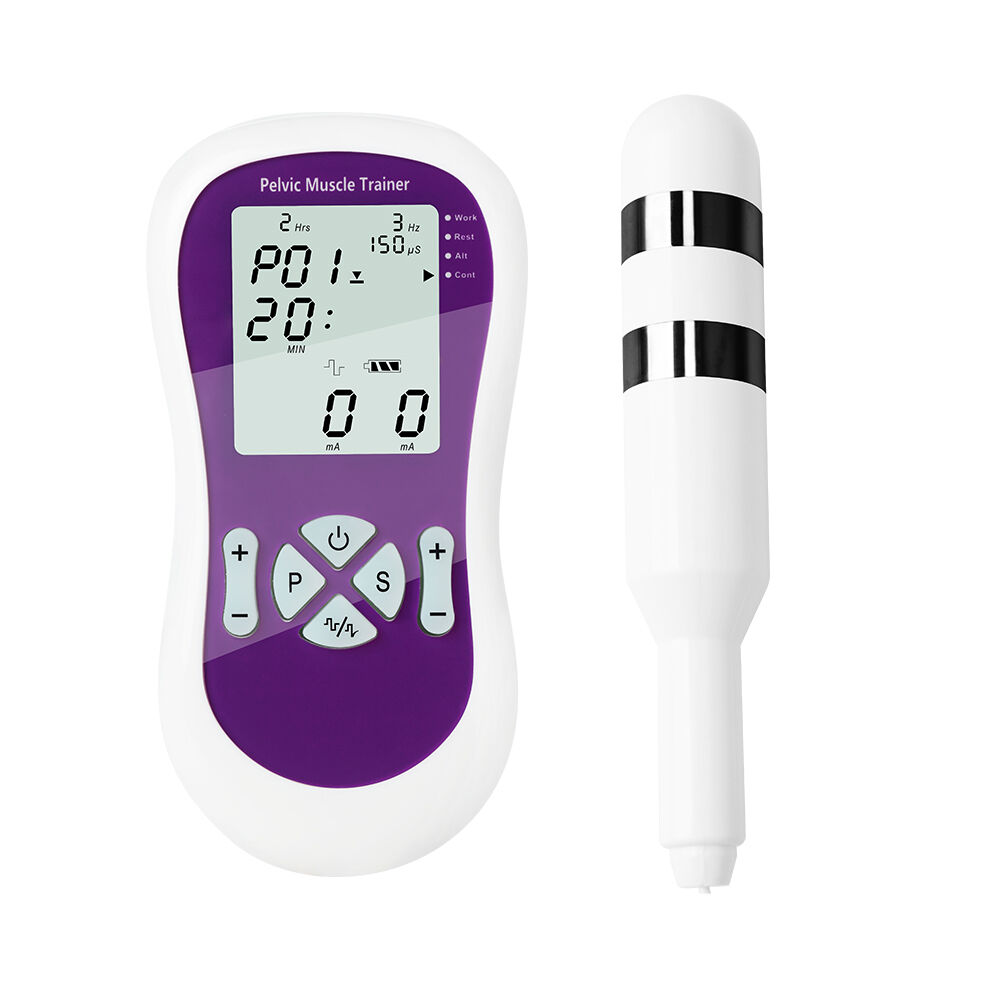
Compreender a relação crítica entre o tamanho e a forma dos eletrodos adesivos e seu impacto na estabilidade da estimulação muscular representa um aspecto fundamental para o sucesso da eletroterapia. Profissionais médicos e pacientes se beneficiam igualmente ao reconhecer como essas características físicas influenciam diretamente os resultados do tratamento, os níveis de conforto e a eficácia terapêutica geral. As propriedades geométricas dos eletrodos adesivos determinam os padrões de distribuição da corrente, a resistência de contato e a uniformidade da penetração do campo elétrico nos tecidos-alvo.
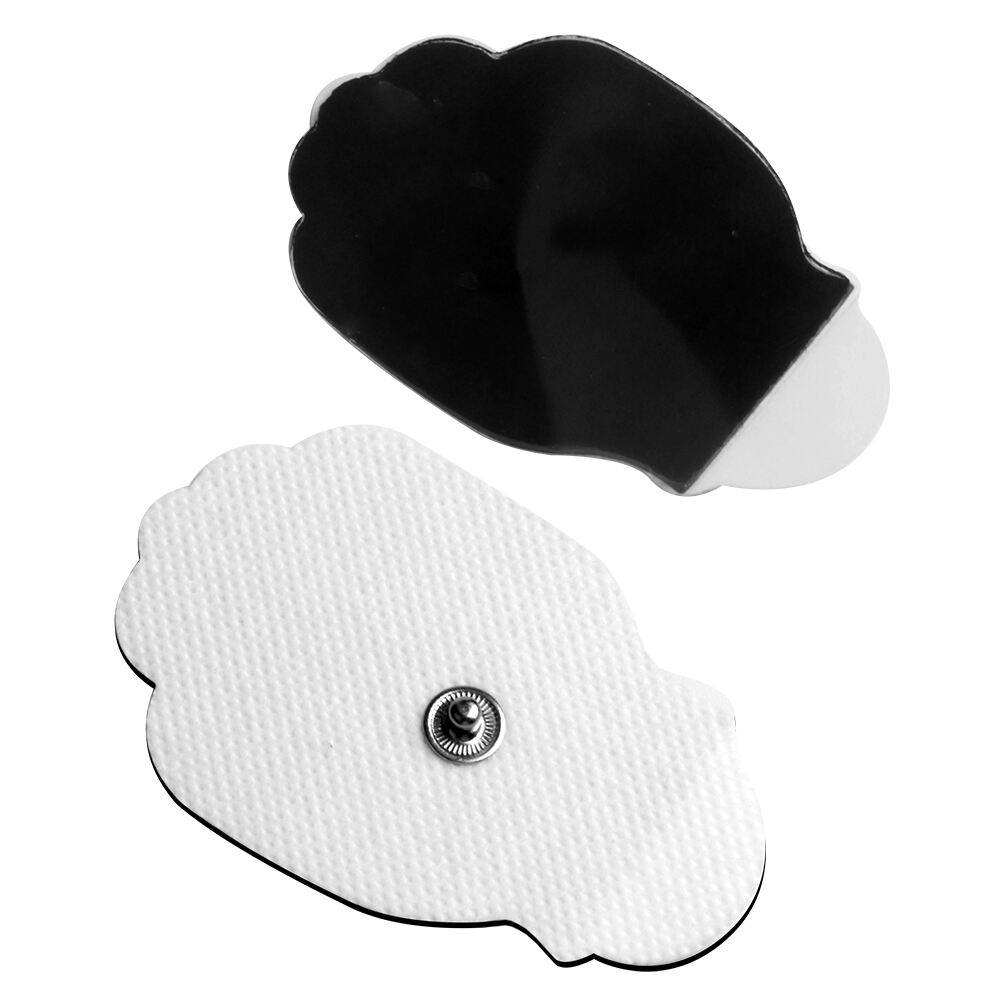
A física por trás da terapia de estimulação elétrica exige um controle preciso sobre a densidade de corrente e a distribuição do campo. Quando os eletrodos em forma de adesivo mantêm dimensões ideais e formas anatomicamente adequadas, garantem resultados terapêuticos consistentes em diversas populações de pacientes. Essa base técnica sustenta protocolos de tratamento baseados em evidências, ao mesmo tempo que minimiza efeitos adversos comumente associados a sistemas de eletrodos mal projetados.
Impacto das Propriedades Físicas na Distribuição da Corrente
Considerações sobre a Área de Superfície dos Eletrodos em Forma de Adesivo
A área de superfície dos eletrodos em forma de adesivo correlaciona-se diretamente com a distribuição da densidade de corrente no local do tratamento. Eletrodos em forma de adesivo de maior dimensão normalmente proporcionam menor densidade de corrente por centímetro quadrado, resultando em experiências de estimulação mais confortáveis para os pacientes. Essa relação segue os princípios da lei de Ohm, segundo os quais um aumento na área de contato reduz a impedância e gera uma penetração mais uniforme do campo elétrico nos tecidos subjacentes.
Pesquisas clínicas demonstram que adesivos eletrodos com área superficial insuficiente frequentemente geram pontos quentes ou áreas de fluxo de corrente concentrado. Essas zonas localizadas de alta intensidade podem causar irritação cutânea, sensação de queimação ou lesão tecidual ao longo de períodos prolongados de tratamento. Por outro lado, adesivos eletrodos de tamanho adequado distribuem a energia elétrica de forma uniforme, maximizando os benefícios terapêuticos enquanto mantêm os padrões de conforto e segurança do paciente.
Aplicações profissionais de eletroterapia exigem adesivos eletrodos dimensionados conforme regiões anatômicas específicas e objetivos terapêuticos. Grupos musculares menores beneficiam-se de adesivos eletrodos compactos, que proporcionam estimulação focalizada, enquanto massas musculares maiores requerem adesivos eletrodos proporcionalmente maiores para garantir cobertura e profundidade de penetração adequadas.
Otimização da Forma para Compatibilidade Anatômica
As considerações anatômicas desempenham papéis cruciais na determinação das formas ideais de eletrodos adesivos para diversas regiões do corpo. Eletrodos adesivos redondos funcionam eficazmente em aplicações gerais sobre superfícies musculares planas, enquanto formas retangulares ou alongadas se adaptam melhor a contornos anatômicos específicos, como a coluna vertebral, os membros ou as regiões faciais.
A forma dos eletrodos adesivos influencia os padrões de trajetória da corrente e a uniformidade do campo ao longo do tecido-alvo. Eletrodos adesivos bem projetados apresentam formas que complementam as curvas naturais do corpo, garantindo a área máxima de superfície de contato, ao mesmo tempo que minimizam os efeitos de borda, que podem causar desconforto ou reduzir a eficácia terapêutica.
Eletrodos adesivos avançados incorporam princípios de design ergonômico que levam em conta a mobilidade articular, a orientação das fibras musculares e os padrões de tensão cutânea. Essas considerações asseguram que patches de eletrodos mantenham contato e desempenho consistentes ao longo de padrões dinâmicos de movimento e sessões terapêuticas prolongadas.
Propriedades dos Materiais e Desempenho de Adesão
Características da Camada Condutora
A composição da camada condutora nas placas eletrodos afeta significativamente a eficiência da transferência de corrente e a estabilidade da estimulação. Placas eletrodos de alta qualidade utilizam materiais condutores à base de prata-cloreto de prata ou carbono, que mantêm propriedades elétricas consistentes sob variações de temperatura e em períodos prolongados de uso. Esses materiais garantem uma entrega confiável de corrente, minimizando ao mesmo tempo os efeitos de polarização que podem degradar progressivamente a qualidade da estimulação.
As formulações de gel condutor integradas às placas eletrodos devem equilibrar os requisitos de condutividade com considerações de compatibilidade cutânea. Placas eletrodos premium apresentam composições de gel hipoalergênicas que mantêm a condutividade elétrica, ao mesmo tempo que previnem reações de sensibilização cutânea. A espessura da camada de gel e seus padrões de distribuição impactam diretamente a uniformidade da corrente e o conforto do paciente durante as sessões de tratamento.
A precisão na fabricação na aplicação da camada condutora determina a confiabilidade a longo prazo do desempenho dos eletrodos adesivos. A espessura consistente do gel, sua distribuição uniforme e a aderência adequada ao material de suporte garantem que os eletrodos adesivos forneçam resultados terapêuticos previsíveis durante toda a sua vida útil.
Propriedades Adesivas e Interface com a Pele
A tecnologia adesiva integrada aos eletrodos adesivos deve proporcionar fixação segura, ao mesmo tempo que permite remoção confortável sem causar trauma à pele. Os adesivos de grau médico utilizados em eletrodos adesivos profissionais passam por testes rigorosos de biocompatibilidade para assegurar a segurança e o conforto do paciente durante protocolos terapêuticos prolongados.
O equilíbrio entre resistência adesiva e facilidade de remoção representa um desafio crítico de engenharia no projeto de eletrodos adesivos. Uma adesão insuficiente pode levar ao deslocamento do eletrodo, reduzindo a eficácia do tratamento e potencialmente causando irritação cutânea devido ao mau contato. Uma resistência adesiva excessiva pode causar desconforto durante a remoção ou deixar resíduos na superfície da pele.
Eletrodos adesivos avançados incorporam sistemas adesivos respiráveis que permitem a transmissão de vapor de água, mantendo ao mesmo tempo uma fixação segura. Essa tecnologia previne a maceração cutânea e reduz o risco de proliferação bacteriana sob os eletrodos adesivos durante períodos prolongados de uso.
Aplicações Clínicas e Protocolos de Tratamento
Estratégias de Direcionamento a Grupos Musculares
Diferentes grupos musculares exigem configurações específicas de eletrodos adesivos para alcançar padrões ideais de estimulação e resultados terapêuticos. Grupos musculares maiores, como o quadríceps ou os glúteos, beneficiam-se de eletrodos adesivos maiores, capazes de cobrir áreas de tratamento mais amplas, mantendo simultaneamente níveis adequados de densidade de corrente. Grupos musculares menores exigem eletrodos adesivos proporcionalmente menores, a fim de evitar o extravasamento da corrente para tecidos adjacentes.
Os protocolos de posicionamento dos eletrodos adesivos devem levar em consideração a orientação das fibras musculares, a localização das vias nervosas e os marcos anatômicos, a fim de maximizar a eficácia terapêutica. O posicionamento correto garante que a corrente elétrica flua paralelamente às fibras musculares, otimizando a força de contração e os padrões de coordenação durante programas de reabilitação ou condicionamento.
Evidências clínicas apoiam o uso de eletrodos de tamanho adequado para alcançar objetivos terapêuticos específicos, seja no controle da dor, no fortalecimento muscular ou na reeducação neuromuscular. Os protocolos de tratamento devem especificar as dimensões dos eletrodos, os padrões de posicionamento e os parâmetros de estimulação, a fim de garantir resultados terapêuticos reprodutíveis entre diferentes profissionais e estabelecimentos de tratamento.
Fatores Relacionados ao Conforto e à Adesão do Paciente
A aceitação pelo paciente e a adesão ao tratamento estão diretamente relacionadas ao nível de conforto experimentado durante as sessões de eletroterapia. Eletrodos bem projetados minimizam a irritação cutânea, reduzem a formação de pontos quentes e proporcionam uma estimulação consistente, sem causar desconforto ou ansiedade excessivos.
O tamanho e a forma dos eletrodos influenciam a percepção do paciente quanto ao conforto e à eficácia do tratamento. Eletrodos excessivamente grandes podem parecer incômodos ou restringir os movimentos, enquanto opções muito pequenas podem gerar concentrações desconfortáveis de corrente. O projeto ideal de eletrodos equilibra os requisitos terapêuticos com as considerações de conforto do paciente, visando maximizar a adesão ao tratamento e os resultados clínicos.
O sucesso do tratamento a longo prazo depende da disposição do paciente em cumprir os protocolos terapêuticos prescritos. Eletrodos que causam desconforto mínimo, são fáceis de aplicar e removem-se limpa e facilmente contribuem para experiências terapêuticas positivas e melhoram as taxas de adesão do paciente em diversas populações clínicas.
Padrões de Qualidade e Critérios de Seleção
Conformidade Regulatória e Normas de Segurança
Os adesivos eletrodos de grau médico devem cumprir rigorosos padrões regulatórios estabelecidos por agências como a FDA, os requisitos de marcação CE e os sistemas de gestão da qualidade ISO. Esses padrões garantem que os adesivos eletrodos atendam aos critérios mínimos de segurança e desempenho para uso clínico, além de assegurar uma qualidade consistente na fabricação entre lotes de produção.
Os requisitos de testes de biocompatibilidade para adesivos eletrodos incluem avaliações de sensibilização cutânea, ensaios de citotoxicidade e estudos sobre o potencial de irritação. Esses protocolos abrangentes de testes garantem que os materiais e adesivos utilizados nos adesivos eletrodos representem risco mínimo à saúde e à segurança do paciente durante as aplicações previstas.
As medidas de controle de qualidade na fabricação de eletrodos adesivos abrangem a verificação de matérias-primas, o monitoramento do processo produtivo e os ensaios no produto acabado. Essas abordagens sistemáticas asseguram que cada unidade de eletrodos adesivos atenda aos critérios de desempenho especificados quanto à condutividade elétrica, resistência à adesão e precisão dimensional.
Avaliação de Desempenho e Diretrizes para Seleção
Os profissionais de saúde devem avaliar o desempenho dos eletrodos adesivos com base em múltiplos critérios, incluindo uniformidade da distribuição da corrente, confiabilidade da adesão, conforto do paciente e eficácia clínica. Protocolos sistemáticos de avaliação ajudam a identificar os produtos de eletrodos adesivos que melhor atendem às aplicações clínicas específicas e aos requisitos da população de pacientes.
Os testes comparativos de diferentes designs de eletrodos devem considerar fatores como características de impedância, distribuição da densidade de corrente, durabilidade da aderência e compatibilidade com a pele. Essas avaliações fornecem dados objetivos para tomada de decisões informadas na aquisição e para o estabelecimento de protocolos padronizados de tratamento.
A análise de custo-efetividade das opções de eletrodos deve equilibrar os custos iniciais de aquisição com a confiabilidade do desempenho, o conforto do paciente e os resultados do tratamento. Eletrodos premium que oferecem desempenho superior e maior satisfação do paciente podem proporcionar melhor relação custo-benefício, apesar de seus custos unitários mais elevados, graças às maiores taxas de sucesso terapêutico e à redução nas taxas de complicações.
Perguntas Frequentes
Qual o tamanho ideal de eletrodos para diferentes grupos musculares?
O tamanho ideal dos eletrodos varia conforme o grupo muscular-alvo e os objetivos do tratamento. Grupos musculares maiores, como o quadríceps ou os músculos das costas, normalmente exigem eletrodos de dimensões 2x4 polegadas ou maiores, para garantir cobertura adequada e distribuição uniforme da corrente. Músculos menores, como os da mão ou do rosto, respondem melhor a eletrodos compactos de 1x2 polegadas ou menores, a fim de evitar o extravasamento da corrente para tecidos adjacentes.
Como a forma dos eletrodos afeta a qualidade da estimulação?
A forma dos eletrodos influencia significativamente os padrões de distribuição da corrente e a eficácia do tratamento. Eletrodos redondos proporcionam um fluxo de corrente uniforme em todas as direções, tornando-os ideais para estimulação muscular geral. Eletrodos retangulares oferecem uma cobertura superior para grupos musculares alongados, enquanto formas especializadas, projetadas para regiões anatômicas específicas, asseguram contato ideal e entrega otimizada da corrente aos tecidos-alvo.
Por que alguns eletrodos adesivos causam irritação na pele
A irritação na pele causada por eletrodos adesivos geralmente resulta de uma distribuição inadequada da corrente, propriedades adesivas insuficientes ou formulações de gel incompatíveis. Eletrodos adesivos de tamanho reduzido podem criar pontos quentes com densidade de corrente excessiva, enquanto adesivos de baixa qualidade podem provocar reações alérgicas. Eletrodos adesivos premium utilizam materiais hipoalergênicos e designs otimizados para minimizar a irritação cutânea, mantendo ao mesmo tempo a eficácia terapêutica.
Com que frequência os eletrodos adesivos devem ser substituídos durante o tratamento
A frequência de substituição dos eletrodos adesivos depende dos padrões de uso, das condições de armazenamento e da qualidade da fabricação. Eletrodos adesivos de alta qualidade normalmente mantêm sua eficácia por 10 a 15 aplicações, desde que armazenados adequadamente e utilizados conforme as orientações do fabricante. Sinais que indicam a necessidade de substituição incluem aderência reduzida, degradação visível do gel ou diminuição da intensidade da estimulação, mesmo com os parâmetros do aparelho inalterados.


