 EN
EN

The Integration of Smart Textiles into Modern Healthcare Systems
Healthcare systems around the world are undergoing rapid transformation as technology becomes increasingly embedded in everyday medical practice. Among the many innovations reshaping patient care, smart textiles have emerged as a practical and scalable solution. Within this category, the conductive garment stands out as a key enabler for continuous health monitoring, rehabilitation support, and improved patient comfort.
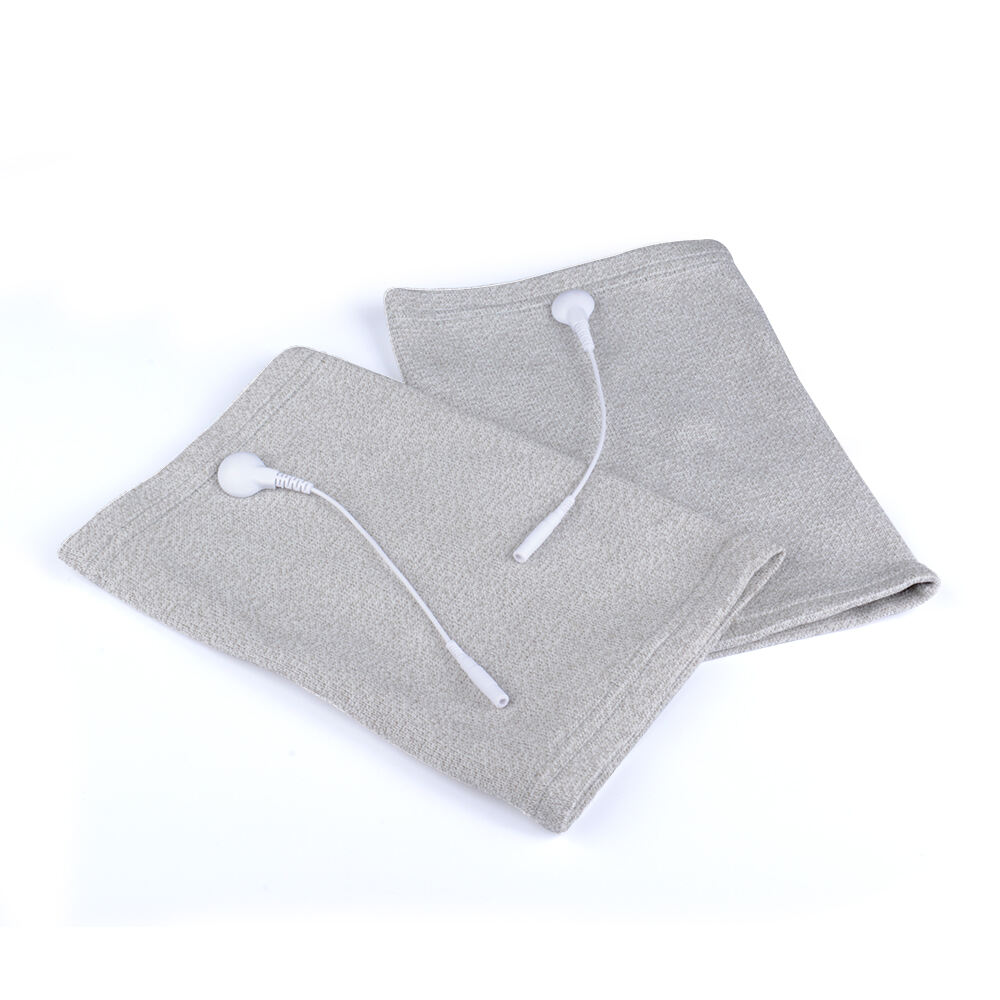
A conductive garment is designed by integrating conductive fibers, yarns, or coatings directly into textile structures. Unlike traditional wearable devices that rely on rigid sensors or external attachments, these garments function as part of everyday clothing. This seamless integration allows healthcare providers to collect physiological data without disrupting normal movement or lifestyle, which is especially important in long-term care and outpatient monitoring scenarios.
As hospitals and care institutions move toward data-driven decision-making, the demand for non-invasive, reliable, and user-friendly monitoring tools continues to grow. Conductive garment solutions align well with this demand by combining textile engineering with medical-grade sensing capabilities. Their growing adoption reflects a broader shift toward preventive care, remote diagnostics, and personalized treatment pathways.
Functional Principles Behind Conductive Garment Technology
Understanding how conductive garment technology works is essential for evaluating its role in healthcare applications. These garments are not simply clothing with added electronics; they represent a carefully engineered system where materials, structure, and signal transmission must work in harmony.
Conductive Materials and Textile Engineering
At the core of any conductive garment lies the choice of conductive materials. Common options include silver-coated fibers, carbon-based yarns, stainless steel filaments, and conductive polymers. These materials are selected not only for electrical conductivity but also for flexibility, durability, and skin compatibility.
Textile engineering techniques such as knitting, weaving, and embroidery are used to position conductive pathways precisely within the fabric. This approach ensures stable signal transmission while preserving softness and breathability. In healthcare environments, where garments may be worn for extended periods, these qualities are critical to patient compliance and comfort.
Additionally, advanced textile structures allow conductive elements to maintain performance even after repeated washing and daily use. This durability makes conductive garment solutions suitable for both clinical settings and home-based care, reducing replacement frequency and long-term operational costs.
Signal Transmission and Data Accuracy
Beyond materials, the effectiveness of a conductive garment depends on its ability to transmit accurate physiological signals. Conductive pathways within the fabric act as sensors or electrodes that detect electrical signals from the body, such as heart activity or muscle movement.
The close and consistent contact between the garment and the skin minimizes motion artifacts, a common problem with traditional wearable devices. As a result, data collected through a conductive garment is often more stable and reliable, which is essential for clinical analysis and decision-making.
Signal integrity is further enhanced through optimized garment fit and strategic sensor placement. These design considerations ensure that data remains accurate across different body types and movement patterns, supporting a wide range of healthcare applications.
Key Healthcare Applications of Conductive Garment Solutions
The versatility of conductive garment technology allows it to address multiple healthcare needs. From monitoring vital signs to supporting rehabilitation, these garments are redefining how care is delivered across different medical contexts.
Continuous Patient Monitoring and Diagnostics
One of the most significant contributions of the conductive garment is its role in continuous patient monitoring. By embedding sensors directly into clothing, healthcare providers can collect real-time data on heart rate, respiratory patterns, and other vital indicators without restricting patient mobility.
This capability is particularly valuable for managing chronic conditions, where long-term observation is necessary to detect subtle changes in health status. Instead of relying on periodic clinic visits, clinicians can access continuous data streams that provide a more comprehensive view of patient well-being.
In diagnostic contexts, conductive garment systems also support early detection of abnormalities. Continuous monitoring increases the likelihood of identifying irregular patterns at an early stage, enabling timely intervention and potentially improving treatment outcomes.
Rehabilitation and Physical Therapy Support
Rehabilitation programs often require precise tracking of muscle activity and movement patterns. A conductive garment can serve as a practical tool for monitoring these parameters during physical therapy sessions, both in clinical environments and at home.
By capturing electromyography signals and motion data, these garments help therapists assess patient progress objectively. This data-driven approach allows for more personalized rehabilitation plans, adjusting exercises based on real performance rather than subjective observation alone.
For patients, wearing a conductive garment during rehabilitation feels less intrusive than attaching multiple sensors or wires. This comfort encourages consistent use, which is essential for achieving long-term recovery goals.
Advantages of Conductive Garments over Traditional Medical Wearables
While wearable technology is not new in healthcare, conductive garment solutions offer distinct advantages compared to conventional devices. These benefits are driving increased interest from medical institutions and technology developers alike.
Enhanced Comfort and Patient Compliance
Traditional medical wearables often rely on rigid components, straps, or adhesive electrodes that can cause discomfort over time. In contrast, a conductive garment integrates sensing functions directly into soft textiles, making it easier for patients to wear for extended periods.
Comfort plays a critical role in patient compliance, especially in long-term monitoring scenarios. When patients are comfortable, they are more likely to wear the garment consistently, leading to more complete and reliable data collection.
Additionally, the familiar form factor of clothing reduces the psychological barrier associated with medical devices. Patients may feel less like they are under constant surveillance and more like they are simply wearing everyday apparel.
Seamless Integration into Clinical Workflows
From a healthcare provider’s perspective, conductive garment systems are easier to integrate into existing clinical workflows. Data collected by these garments can be transmitted wirelessly to monitoring platforms, electronic health records, or remote care dashboards.
This seamless integration reduces the administrative burden on medical staff and supports more efficient care delivery. Instead of manually recording measurements, clinicians can focus on analyzing trends and making informed decisions based on comprehensive datasets.
Furthermore, standardized garment designs allow for scalable deployment across different patient populations, supporting both hospital-based and remote healthcare models.
Challenges and Considerations in Medical Use
Despite their many advantages, conductive garment solutions also present challenges that must be addressed to ensure safe and effective use in healthcare environments.
Data Security and Privacy
As conductive garment systems collect sensitive health data, ensuring data security and patient privacy is a critical concern. Healthcare providers must implement robust encryption and secure data transmission protocols to protect patient information.
Compliance with healthcare data regulations is essential, particularly when garments are used in remote monitoring scenarios. Clear data governance policies help build trust among patients and encourage broader adoption of wearable textile technologies.
Manufacturers and healthcare organizations must work together to ensure that data collected through conductive garments is handled responsibly and transparently.
Standardization and Clinical Validation
Another important consideration is the need for standardization and clinical validation. To be widely adopted in healthcare, conductive garment solutions must demonstrate consistent performance across different use cases and patient groups.
Clinical studies and validation trials help establish reliability and accuracy, ensuring that data collected meets medical standards. Standardization also facilitates interoperability between different systems, making it easier for healthcare providers to adopt new technologies without extensive infrastructure changes.
Ongoing collaboration between textile engineers, medical professionals, and regulatory bodies is essential to address these challenges effectively.
Expanding Roles in Specialized Healthcare Settings
Beyond general monitoring and rehabilitation, conductive garment technology is finding applications in specialized healthcare environments where precision and adaptability are crucial.
Elderly Care and Assisted Living
In elderly care settings, continuous monitoring can help detect falls, changes in mobility, or irregular vital signs. A conductive garment offers a discreet and comfortable way to support these monitoring needs without interfering with daily activities.
For caregivers, access to real-time data improves response times and enhances overall care quality. The non-intrusive nature of garment-based monitoring is particularly beneficial for elderly individuals who may be resistant to traditional medical devices.
This approach supports independent living while maintaining a safety net for timely medical intervention.
Mental Health and Neurological Observation
Conductive garment systems are also being explored for applications related to mental health and neurological observation. By monitoring physiological indicators such as heart rate variability or muscle tension, clinicians can gain insights into stress levels and emotional states.
In neurological care, garment-based sensors can assist in tracking muscle responses and movement patterns, supporting assessment and therapy planning. The continuous and unobtrusive data collection offered by a conductive garment makes it suitable for extended observation periods.
These applications highlight the adaptability of textile-based sensing solutions across diverse healthcare domains.
The Role of Design and Customization in Medical Garments
Design and customization play a significant role in the effectiveness of conductive garment solutions in healthcare. Medical environments require garments that can accommodate diverse body shapes, conditions, and usage scenarios.
Ergonomic Design for Medical Accuracy
Proper fit is essential for accurate signal collection. Conductive garments must be designed with ergonomic principles in mind, ensuring consistent contact between sensors and the skin. Adjustable features and size variations help accommodate different patients while maintaining data reliability.
Thoughtful design also considers ease of use for both patients and caregivers. Simple donning and doffing procedures reduce the risk of improper wear, which can compromise data quality.
By prioritizing ergonomic design, manufacturers enhance both usability and clinical effectiveness.
Customization for Specific Medical Needs
Different healthcare applications may require different sensor configurations or textile structures. Customizable conductive garment designs allow healthcare providers to tailor solutions to specific medical requirements.
For example, garments intended for cardiac monitoring may focus on chest sensor placement, while rehabilitation garments may prioritize muscle groups relevant to therapy. This flexibility supports a wide range of clinical use cases without compromising comfort or functionality.
Customization also enables integration with existing medical systems, ensuring that garment-based data aligns with established diagnostic and treatment protocols.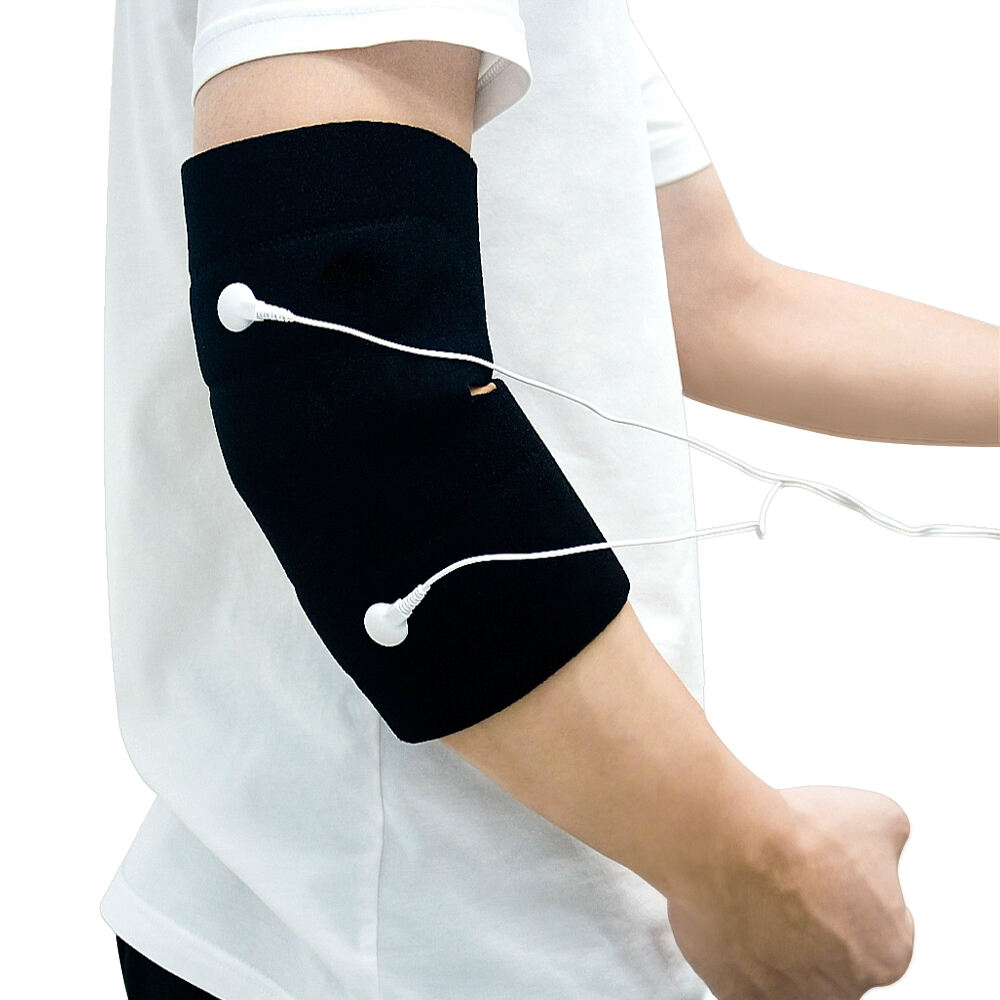
FAQ
What makes a conductive garment suitable for healthcare use
A conductive garment is suitable for healthcare because it combines comfortable textile design with reliable sensing capabilities. Its ability to collect continuous physiological data without restricting movement makes it ideal for long-term monitoring and clinical applications.
How does a conductive garment differ from traditional wearable devices
Unlike traditional wearables that rely on external sensors or rigid components, a conductive garment integrates conductive elements directly into the fabric. This design improves comfort, signal stability, and patient compliance over extended use.
Can conductive garments be used outside hospital settings
Yes, conductive garment solutions are well suited for use outside hospitals, including home-based care and remote monitoring. Their durability and ease of use support continuous data collection in everyday environments.
Are conductive garments safe for prolonged wear
Conductive garments are designed with skin-safe materials and breathable textiles, making them suitable for prolonged wear. Proper design and material selection ensure that they meet comfort and safety requirements for medical use.
Table of Contents
- The Integration of Smart Textiles into Modern Healthcare Systems
- Functional Principles Behind Conductive Garment Technology
- Key Healthcare Applications of Conductive Garment Solutions
- Advantages of Conductive Garments over Traditional Medical Wearables
- Challenges and Considerations in Medical Use
- Expanding Roles in Specialized Healthcare Settings
- The Role of Design and Customization in Medical Garments
- FAQ
- What makes a conductive garment suitable for healthcare use
- How does a conductive garment differ from traditional wearable devices
- Can conductive garments be used outside hospital settings
- Are conductive garments safe for prolonged wear


