 EN
EN

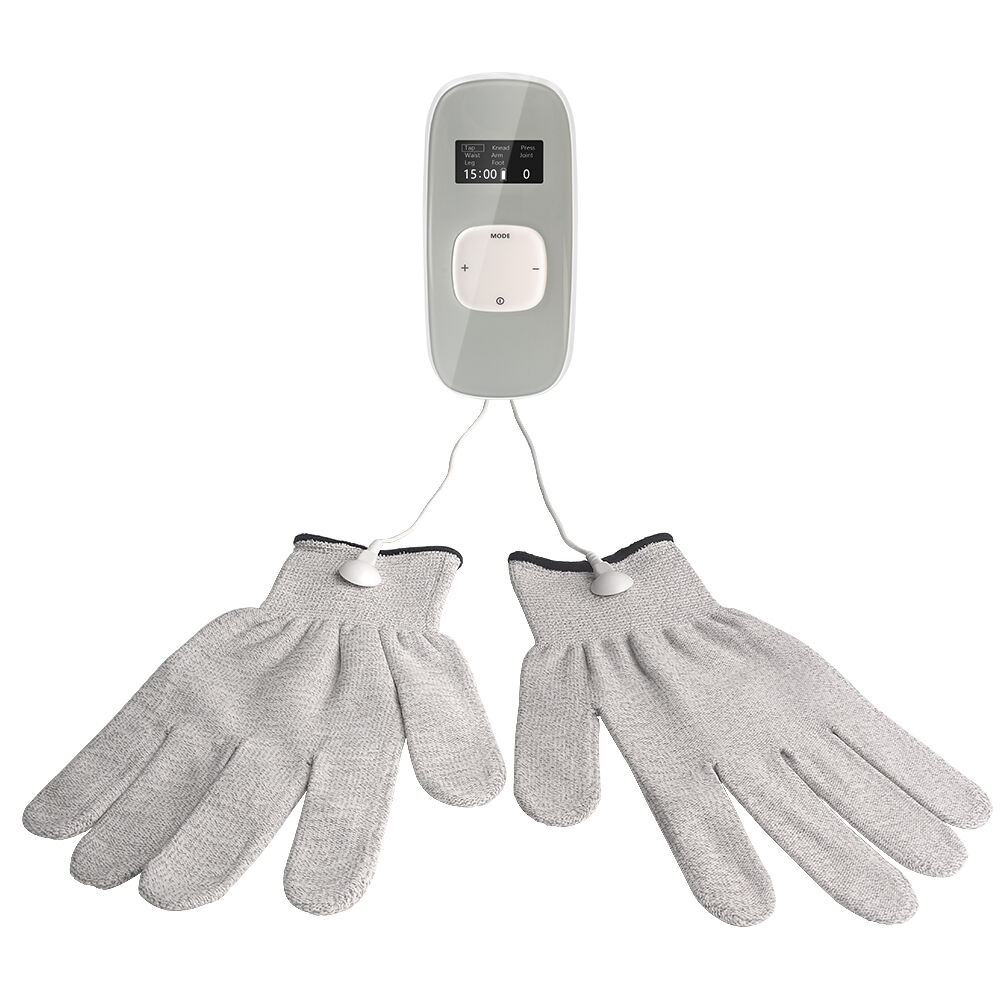
Performance Apparel and the Rise of Smart Athletic Wear
Athletic performance has always been closely tied to equipment, apparel, and training tools. As sports science continues to evolve, clothing is no longer viewed as a passive element but as an active contributor to performance optimization. In this context, the conductive garment has become an increasingly important component of modern athletic wear, bridging the gap between textiles, biomechanics, and data-driven training.
A conductive garment integrates conductive fibers or sensor pathways directly into the fabric, allowing it to capture physiological and movement-related data while being worn like standard sportswear. For athletes, this means performance insights can be collected without straps, patches, or external devices that might interfere with movement. The appeal lies not only in data collection but also in comfort, flexibility, and long-term usability during training and recovery.
As more brands enter the smart apparel space, athletes are faced with a growing number of options. Understanding how different conductive garment brands approach design, materials, and functionality is essential for selecting apparel that aligns with specific athletic needs. This article examines the key criteria used to evaluate leading conductive garment brands for athletes and explores how these products support performance, training consistency, and recovery.
Evaluation Criteria for Conductive Garment Brands in Sports
Before reviewing specific brands, it is important to establish a clear framework for evaluation. A conductive garment designed for athletic use must balance technical performance with wearability, durability, and practical integration into training routines.
Material Quality and Fabric Performance
Material selection is the foundation of any high-performing conductive garment. For athletes, fabrics must be lightweight, breathable, moisture-wicking, and capable of maintaining elasticity under repeated stress. Conductive fibers such as silver-coated yarns or carbon-based threads are often blended with performance textiles to ensure both conductivity and comfort.
High-quality materials also contribute to consistent signal transmission. When conductive elements stretch or compress with the fabric, they must maintain stable electrical properties. Brands that invest in advanced textile engineering tend to produce garments that perform reliably across different training intensities and environmental conditions.
Durability is another critical factor. Athletic garments are subjected to frequent washing, friction, and sweat exposure. A well-designed conductive garment should retain both its physical structure and sensing capability over extended use, making material quality a key differentiator between brands.
Sensor Integration and Data Reliability
The placement and integration of sensors significantly affect the usefulness of a conductive garment. Poorly positioned conductive pathways can result in inconsistent data or signal loss during dynamic movements. Leading brands prioritize ergonomic sensor placement that aligns with muscle groups, joints, or areas of physiological interest.
Data reliability is especially important for athletes who use performance metrics to guide training decisions. Whether monitoring muscle activation, heart rate, or movement symmetry, the garment must provide stable readings across a wide range of motions. Brands with a strong understanding of sports biomechanics often excel in this area.
In addition, seamless integration of sensors into the textile reduces irritation and distraction. Athletes benefit from garments that feel natural to wear while still delivering precise data insights.
Conductive Garment Brands Focused on Professional Athletes
Some conductive garment brands specifically target professional and elite athletes, emphasizing precision, advanced analytics, and compatibility with high-level training environments.
Brands Emphasizing Sports Science Collaboration
Many established conductive garment brands collaborate closely with sports scientists, physiologists, and performance coaches. This collaboration influences garment design, sensor placement, and data interpretation models. By aligning product development with real-world athletic use cases, these brands create apparel that supports measurable performance improvements.
Such brands often focus on muscle activity tracking and movement analysis, helping athletes identify inefficiencies or imbalances. The conductive garment becomes a diagnostic tool rather than just a monitoring device, supporting informed adjustments to training programs.
Athletes working in structured training environments benefit from this approach, as data collected through the garment can be easily integrated into existing performance analysis workflows.
Brands Offering Advanced Analytics Platforms
Beyond the garment itself, some brands differentiate through sophisticated analytics platforms. The conductive garment serves as the data collection layer, while software platforms process and visualize performance metrics in real time or post-training.
For athletes and coaches, access to clear, actionable insights is essential. Brands that provide intuitive dashboards, trend analysis, and customizable reporting add significant value to the conductive garment experience. This ecosystem approach supports long-term performance tracking and informed decision-making.
Such platforms are particularly useful in team sports, where comparative analysis and workload monitoring play a critical role in injury prevention and performance consistency.
Conductive Garment Brands Designed for Everyday Training
Not all athletes require elite-level analytics. Many conductive garment brands focus on accessibility, ease of use, and versatility for daily training routines.
Brands Prioritizing Comfort and Wearability
For recreational and semi-professional athletes, comfort is often the deciding factor. Conductive garment brands in this category emphasize soft fabrics, minimal compression, and designs that resemble traditional athletic wear.
These garments are intended to be worn throughout regular workouts without feeling restrictive or overly technical. By prioritizing comfort, brands encourage consistent use, which is essential for meaningful data collection over time.
Ease of care is another consideration. Athletes are more likely to adopt conductive garments that can be washed and maintained like standard sports apparel, without requiring special handling.
Brands Balancing Functionality and Affordability
Affordability plays a significant role in broader adoption of conductive garment technology. Some brands focus on delivering essential performance metrics without the complexity or cost of advanced analytics platforms.
These garments typically offer core features such as heart rate monitoring or basic muscle activity tracking. While they may not provide the depth of analysis found in premium solutions, they still deliver valuable insights for athletes seeking to improve consistency and awareness during training.
By striking a balance between functionality and price, these brands make conductive garment technology accessible to a wider athletic audience.
Role of Conductive Garments in Training Optimization
Regardless of brand, the value of a conductive garment lies in its ability to support training optimization. Athletes increasingly rely on data to refine technique, manage workload, and reduce injury risk.
Muscle Activation and Movement Efficiency
One of the most impactful uses of a conductive garment is monitoring muscle activation patterns. By tracking how muscles engage during specific movements, athletes can identify inefficiencies or compensations that may hinder performance.
This information is particularly valuable in strength training, sprinting, and sport-specific drills. Athletes can adjust technique or exercise selection based on objective feedback, leading to more efficient movement patterns over time.
Consistent use of a conductive garment during training sessions allows athletes to track progress and verify whether adjustments are producing the desired effects.
Load Management and Recovery Support
Training load management is a critical aspect of athletic performance. Overtraining can lead to fatigue, decreased performance, and injury. Conductive garment data helps athletes monitor intensity and workload more accurately.
By analyzing physiological responses during training, athletes and coaches can make informed decisions about recovery periods and training volume. This data-driven approach supports sustainable performance development.
In recovery contexts, conductive garments can also be used to monitor muscle relaxation and movement quality, providing feedback that supports effective rehabilitation and return-to-play strategies.
Considerations When Choosing a Conductive Garment Brand
Selecting the right conductive garment brand requires aligning product features with individual athletic goals, training environments, and preferences.
Compatibility with Training Ecosystems
Athletes often use multiple tools to track performance, including apps, wearables, and coaching platforms. Conductive garment brands that offer compatibility with existing systems simplify data management and analysis.
Integration reduces friction in daily use, making it easier to incorporate garment-based data into established routines. Brands that prioritize interoperability tend to provide a smoother user experience.
Before choosing a brand, athletes should consider how the conductive garment fits into their broader training ecosystem.
Fit, Sizing, and Customization Options
Proper fit is essential for both comfort and data accuracy. Conductive garment brands that offer detailed sizing guidance or multiple fit options help ensure consistent sensor contact with the body.
Some brands also provide customization options tailored to specific sports or training needs. This flexibility allows athletes to select garments that align closely with their performance requirements.
Investing in the right fit enhances both the effectiveness and longevity of the conductive garment.
Brand Differentiation Through Design and Innovation
As competition increases, conductive garment brands continue to differentiate themselves through design innovation and user-focused development.
Aesthetic Design and Athlete Acceptance
Visual design plays a role in athlete acceptance, particularly in sports where appearance matters. Conductive garment brands that blend technical features with modern athletic aesthetics are more likely to be embraced by users.
Garments that look and feel like standard sportswear reduce the psychological barrier to adoption. This design philosophy supports consistent use, which is essential for collecting meaningful data.
Aesthetic considerations also influence whether athletes feel comfortable wearing the garment in public or competitive environments.
Continuous Product Refinement
Innovation in conductive garment technology is driven by ongoing refinement of materials, sensor accuracy, and software integration. Brands that actively update their products based on user feedback and performance testing demonstrate a commitment to long-term value.
This iterative approach ensures that garments remain relevant as training methodologies evolve. Athletes benefit from products that adapt to changing performance demands without requiring frequent replacement.
Continuous improvement is a key indicator of a brand’s dedication to supporting athletic performance.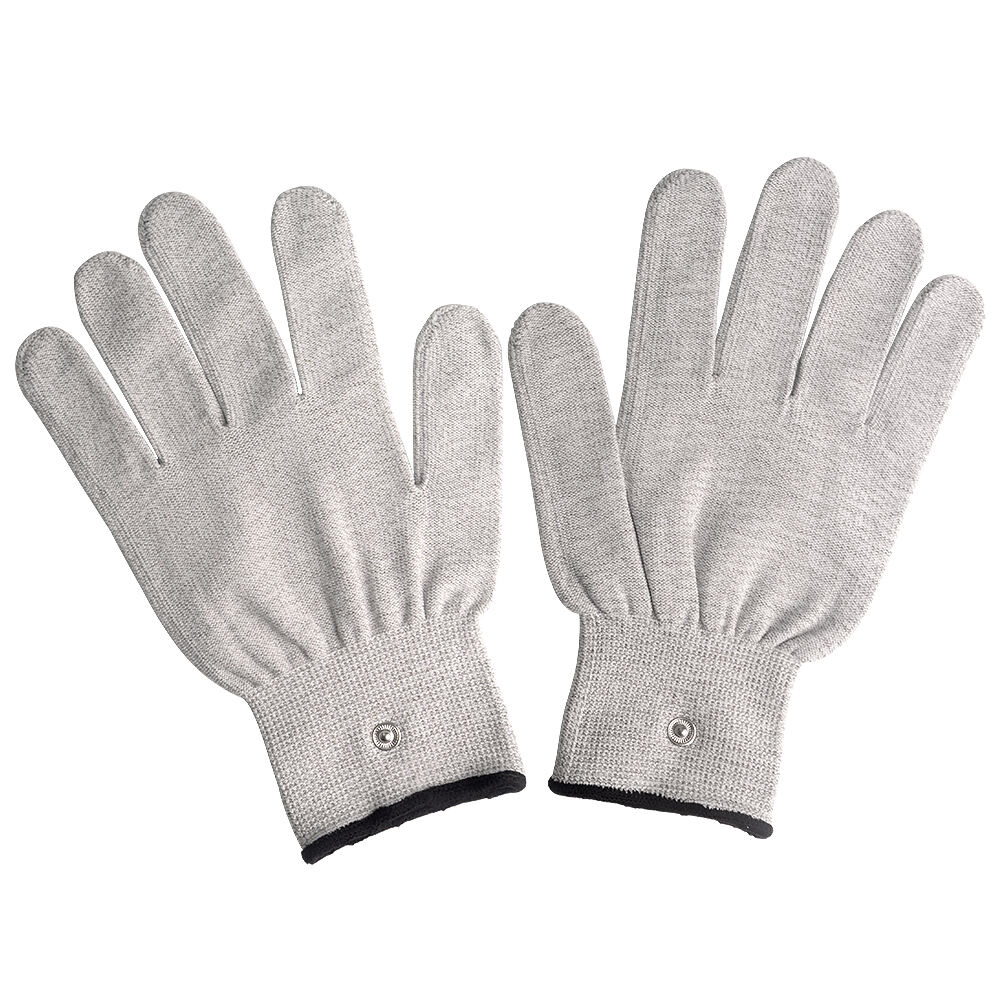
FAQ
What should athletes look for when choosing a conductive garment brand
Athletes should evaluate material quality, comfort, data reliability, and compatibility with their training tools. A conductive garment that fits well and delivers consistent insights is more valuable than one with excessive features that are rarely used.
Are conductive garments suitable for all types of sports
Conductive garments can be used across many sports, but effectiveness depends on sensor placement and garment design. Athletes should choose a conductive garment that aligns with the movement patterns and performance metrics relevant to their sport.
How durable are conductive garments for athletic use
High-quality conductive garments are designed to withstand frequent training and washing. Material selection and textile engineering play a major role in ensuring durability without compromising performance.
Can conductive garments replace traditional fitness wearables
A conductive garment can complement or, in some cases, replace traditional wearables by offering more integrated and comfortable data collection. Many athletes use both to gain a broader view of performance and recovery.
Table of Contents
- Performance Apparel and the Rise of Smart Athletic Wear
- Evaluation Criteria for Conductive Garment Brands in Sports
- Conductive Garment Brands Focused on Professional Athletes
- Conductive Garment Brands Designed for Everyday Training
- Role of Conductive Garments in Training Optimization
- Considerations When Choosing a Conductive Garment Brand
- Brand Differentiation Through Design and Innovation
- FAQ
- What should athletes look for when choosing a conductive garment brand
- Are conductive garments suitable for all types of sports
- How durable are conductive garments for athletic use
- Can conductive garments replace traditional fitness wearables


