 EN
EN

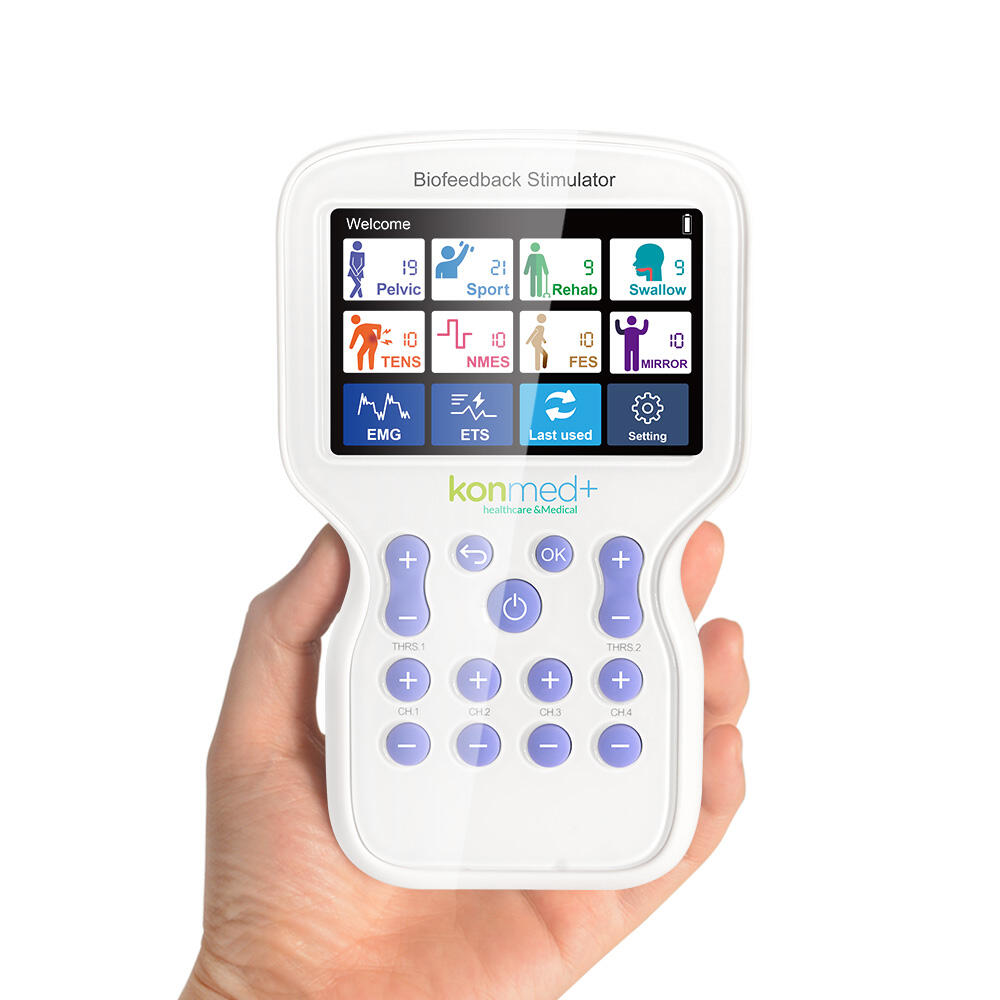
Biofeedback therapy has emerged as a revolutionary approach to healthcare, offering patients unprecedented insight into their physiological processes while empowering them to take control of their health outcomes. This therapeutic modality combines cutting-edge technology with evidence-based medicine to help individuals learn how to consciously influence their autonomic nervous system functions. As we advance into 2025, the applications and effectiveness of biofeedback continue to expand across multiple medical disciplines, from pain management and stress reduction to neurological rehabilitation and performance enhancement.
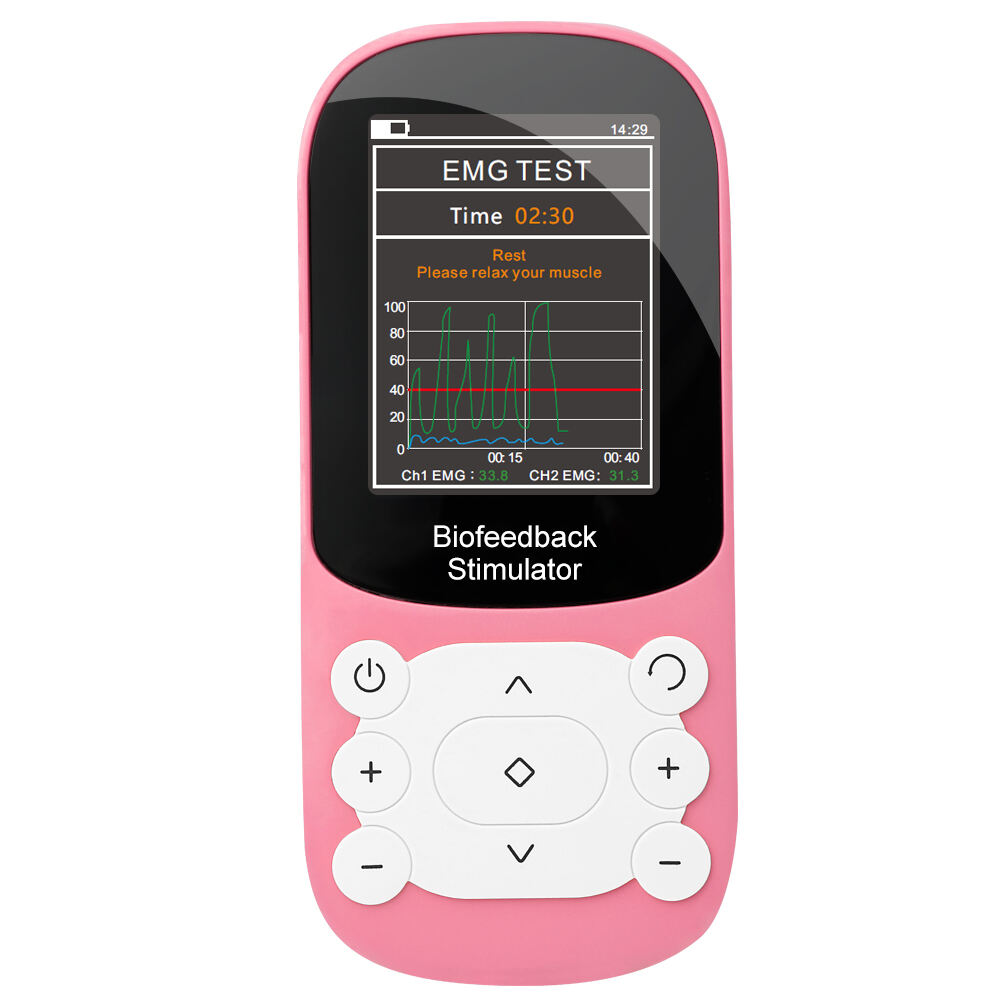
Understanding the Fundamentals of Biofeedback Technology
Core Principles and Mechanisms
The foundation of biofeedback rests on the principle that individuals can learn to control physiological processes that are typically unconscious. Through specialized sensors and monitoring equipment, patients receive real-time information about their body's responses, including heart rate variability, muscle tension, brain wave patterns, and skin conductance. This immediate feedback creates a learning loop where patients can observe the direct correlation between their mental state, breathing patterns, and physical responses.
Modern biofeedback systems utilize sophisticated algorithms and signal processing techniques to translate complex physiological data into easily interpretable visual or auditory cues. The technology operates on the premise that awareness leads to control, allowing patients to develop self-regulation skills that extend beyond the clinical setting into their daily lives.
Types of Biofeedback Modalities
Several distinct types of biofeedback exist, each targeting specific physiological functions and therapeutic goals. Electromyographic biofeedback focuses on muscle tension and activation patterns, making it particularly valuable for rehabilitation following injuries or surgical procedures. Heart rate variability biofeedback concentrates on cardiac rhythms and autonomic nervous system balance, often employed in stress management and cardiovascular health optimization.
Neurofeedback represents perhaps the most sophisticated form of biofeedback, utilizing electroencephalography to monitor and train brainwave patterns. This modality has shown remarkable promise in treating attention deficit disorders, anxiety, depression, and various neurological conditions. Temperature biofeedback measures peripheral blood flow and has proven effective in managing migraine headaches and circulation-related disorders.
Clinical Applications and Therapeutic Benefits
Pain Management and Rehabilitation
Biofeedback therapy has revolutionized approaches to chronic pain management by addressing both the physiological and psychological components of pain perception. Patients learn to recognize and modify muscle tension patterns, breathing irregularities, and stress responses that contribute to pain amplification. Clinical studies demonstrate significant reductions in pain intensity and frequency among patients with conditions such as fibromyalgia, chronic back pain, and tension headaches.
The rehabilitation applications of biofeedback extend far beyond pain management, encompassing motor function recovery following stroke, spinal cord injuries, and traumatic brain injuries. By providing visual feedback about muscle activation and coordination, patients can relearn movement patterns and compensate for neurological deficits more effectively than through traditional physical therapy alone.
Mental Health and Stress Management
The integration of biofeedback into mental health treatment protocols has yielded impressive results across various psychiatric conditions. Anxiety disorders, in particular, respond well to biofeedback interventions that teach patients to recognize and counteract physiological arousal patterns associated with panic attacks and generalized anxiety. The therapy provides tangible evidence of progress, which can be particularly motivating for individuals struggling with mental health challenges.
Depression treatment incorporating biofeedback focuses on restoring healthy sleep patterns, improving heart rate variability, and enhancing overall autonomic nervous system function. Patients develop greater awareness of their emotional states and learn practical techniques for mood regulation that complement traditional psychotherapy and medication management approaches.
Advanced Biofeedback Techniques and Technologies
Real-Time Neuroplasticity Training
Contemporary biofeedback systems leverage our expanding understanding of neuroplasticity to facilitate targeted brain training protocols. These advanced techniques allow practitioners to identify specific brainwave patterns associated with optimal cognitive performance, emotional regulation, and attention control. Patients engage in structured training sessions designed to strengthen beneficial neural pathways while diminishing problematic patterns.
The precision of modern neurofeedback equipment enables practitioners to target specific brain regions with remarkable accuracy. This capability has opened new therapeutic avenues for conditions previously considered difficult to treat, including autism spectrum disorders, post-traumatic stress disorder, and age-related cognitive decline.
Physiological Coherence and Autonomic Balance
Recent developments in biofeedback technology emphasize the importance of physiological coherence, a state characterized by synchronized rhythms between heart rate, breathing, and blood pressure variations. Training patients to achieve and maintain coherent states has demonstrated significant benefits for immune function, cognitive performance, and emotional stability. These protocols integrate breathing techniques, mindfulness practices, and real-time physiological monitoring.
The concept of autonomic balance has become central to modern biofeedback practice, recognizing that optimal health requires appropriate coordination between sympathetic and parasympathetic nervous system activation. Practitioners utilize sophisticated metrics to assess and train autonomic function, helping patients develop resilience to stress and improve overall physiological efficiency.
Implementation Strategies and Best Practices
Treatment Planning and Protocol Development
Successful biofeedback therapy requires careful assessment of individual patient needs, goals, and physiological baselines before initiating treatment. Comprehensive evaluations typically include medical history review, current symptom assessment, and baseline physiological measurements across relevant parameters. This information guides the selection of appropriate biofeedback modalities and informs the development of personalized treatment protocols.
Treatment protocols must be tailored to accommodate individual learning styles, technological comfort levels, and specific therapeutic objectives. Some patients respond better to visual feedback systems, while others benefit from auditory cues or tactile sensations. Successful practitioners maintain flexibility in their approach while ensuring consistent progress monitoring and protocol adjustments based on patient response.
Patient Education and Skill Transfer
A critical component of effective biofeedback therapy involves educating patients about the physiological processes being monitored and the mechanisms underlying therapeutic change. Understanding the rationale behind specific techniques enhances patient engagement and facilitates skill acquisition. Educational materials should be accessible and appropriate for diverse educational backgrounds and health literacy levels.
The ultimate goal of biofeedback training extends beyond clinical sessions to encompass skill transfer into real-world situations. Patients must learn to recognize physiological cues without technological assistance and implement learned techniques in challenging environments. Graduated exposure protocols and home practice assignments support this transition from clinic-based learning to independent self-regulation.
Integration with Conventional Medical Care
Collaborative Treatment Approaches
Modern healthcare increasingly recognizes the value of integrating biofeedback therapy with conventional medical treatments to optimize patient outcomes. This collaborative approach requires effective communication between biofeedback practitioners, physicians, physical therapists, and other healthcare providers involved in patient care. Shared treatment goals and coordinated intervention strategies enhance therapeutic effectiveness while minimizing potential conflicts between different treatment modalities.
Evidence-based integration protocols help healthcare teams determine optimal timing and sequencing of biofeedback interventions relative to other treatments. Some conditions benefit from early biofeedback intervention to prevent chronic patterns from developing, while others may require medical stabilization before biofeedback training can be effective.
Outcome Measurement and Quality Assurance
Rigorous outcome measurement systems are essential for demonstrating the effectiveness of biofeedback interventions and guiding treatment modifications. Standardized assessment tools track changes in symptoms, functional capacity, and quality of life measures throughout the treatment process. Physiological markers provide objective evidence of therapeutic progress and help identify patients who may benefit from protocol adjustments.
Quality assurance programs ensure consistent delivery of biofeedback services and maintain high standards of patient care. These programs typically include regular equipment calibration, practitioner competency assessments, and adherence monitoring for established protocols. Continuous quality improvement initiatives incorporate patient feedback and emerging research findings to enhance service delivery.
Future Directions and Emerging Applications
Technological Innovation and Accessibility
The future of biofeedback therapy is being shaped by rapid technological advances that promise to make these interventions more accessible, affordable, and effective. Wearable biofeedback devices are becoming increasingly sophisticated while remaining user-friendly for home-based training programs. These developments have the potential to extend biofeedback benefits to populations who previously lacked access to specialized clinical services.
Artificial intelligence and machine learning algorithms are beginning to enhance biofeedback systems by providing more personalized feedback protocols and predictive analytics for treatment outcomes. These technologies can identify subtle patterns in physiological data that might escape human observation, potentially leading to more precise and effective interventions.
Preventive Healthcare and Performance Optimization
Beyond therapeutic applications, biofeedback is increasingly being recognized as a valuable tool for preventive healthcare and performance enhancement. Athletes, musicians, and other professionals are utilizing biofeedback training to optimize their physiological responses under pressure and improve their overall performance capabilities. These applications demonstrate the potential for biofeedback to enhance human potential rather than merely treating dysfunction.
Workplace wellness programs are beginning to incorporate biofeedback training as a strategy for reducing stress-related health problems and improving employee productivity. Early intervention programs targeting stress management and resilience building may help prevent the development of chronic conditions that require more intensive medical interventions later.
FAQ
How long does biofeedback therapy typically take to show results
Most patients begin experiencing benefits from biofeedback therapy within 4-6 sessions, with significant improvements typically observed after 8-12 sessions. However, the timeline varies considerably depending on the condition being treated, individual learning capacity, and consistency of practice. Chronic conditions may require longer treatment periods, while acute stress-related symptoms often respond more quickly. Patients who practice learned techniques between sessions generally achieve better outcomes in shorter timeframes.
Are there any side effects or risks associated with biofeedback training
Biofeedback therapy is considered extremely safe with virtually no adverse side effects when properly administered. The non-invasive nature of the monitoring equipment poses no physical risks to patients. Some individuals may experience mild fatigue following intensive training sessions as they learn to control previously unconscious physiological processes. Rarely, patients with certain psychiatric conditions may become overly focused on physiological sensations, but this can be managed through appropriate guidance from qualified practitioners.
Can biofeedback therapy replace traditional medical treatments
Biofeedback therapy is typically used as a complementary treatment rather than a replacement for conventional medical care. While it can significantly reduce symptoms and improve quality of life, patients should continue following their physician's recommendations regarding medications and other treatments. Some individuals may eventually reduce their reliance on certain medications under medical supervision as their self-regulation skills improve, but this decision should always be made in consultation with healthcare providers.
What equipment is needed for effective biofeedback training
Professional biofeedback training requires specialized monitoring equipment that measures specific physiological parameters such as muscle tension, heart rate variability, skin conductance, or brainwave activity. Modern systems integrate multiple sensors with computer-based feedback displays that provide real-time information to patients. While consumer-grade devices are available for home use, clinical-grade equipment offers greater precision and more comprehensive training capabilities. The specific equipment needed depends on the type of biofeedback being provided and the therapeutic goals being addressed.


