 EN
EN

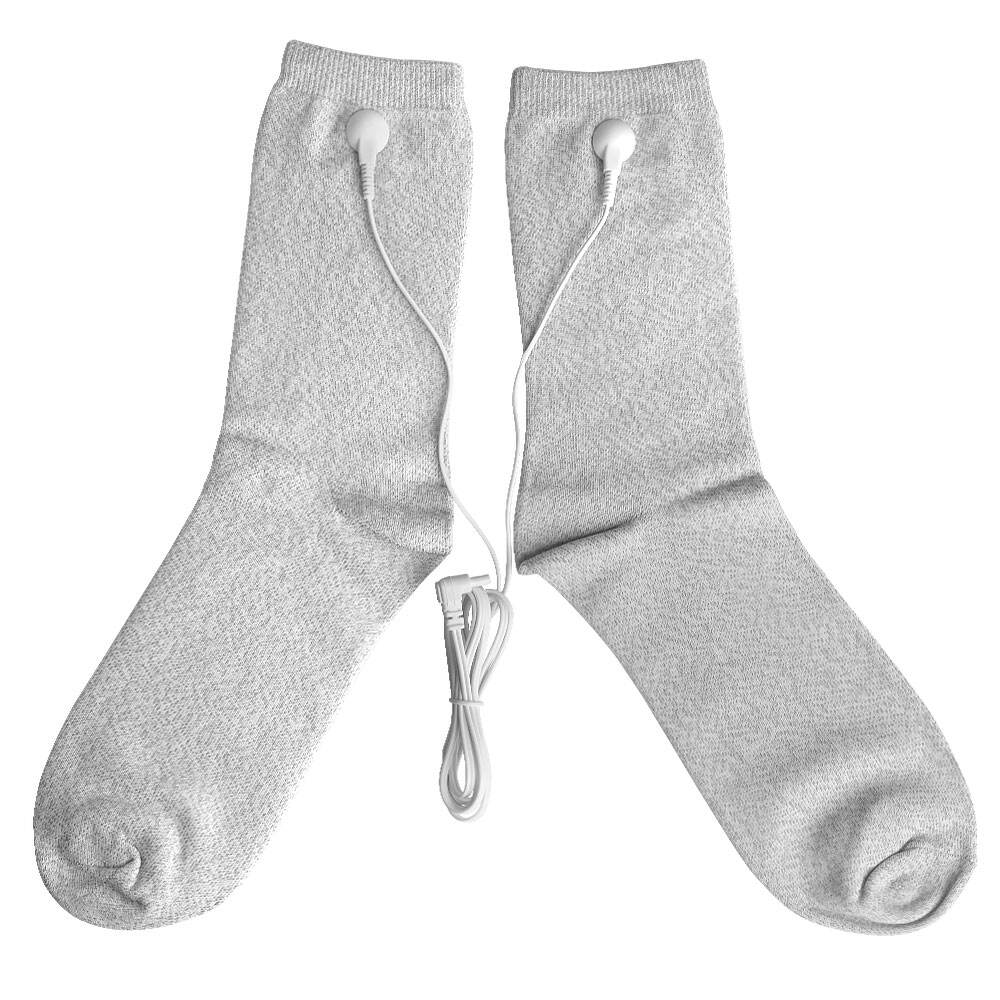
In today's technology-driven manufacturing and electronics industries, maintaining the integrity and performance of specialized workwear has become increasingly critical. A conductive garment serves as essential protective equipment that requires specific care protocols to ensure optimal functionality and longevity. These specialized textiles incorporate conductive fibers and materials designed to dissipate static electricity, making proper maintenance crucial for workplace safety and equipment protection. Understanding the unique properties and care requirements of these garments can significantly extend their operational lifespan while maintaining their protective capabilities.
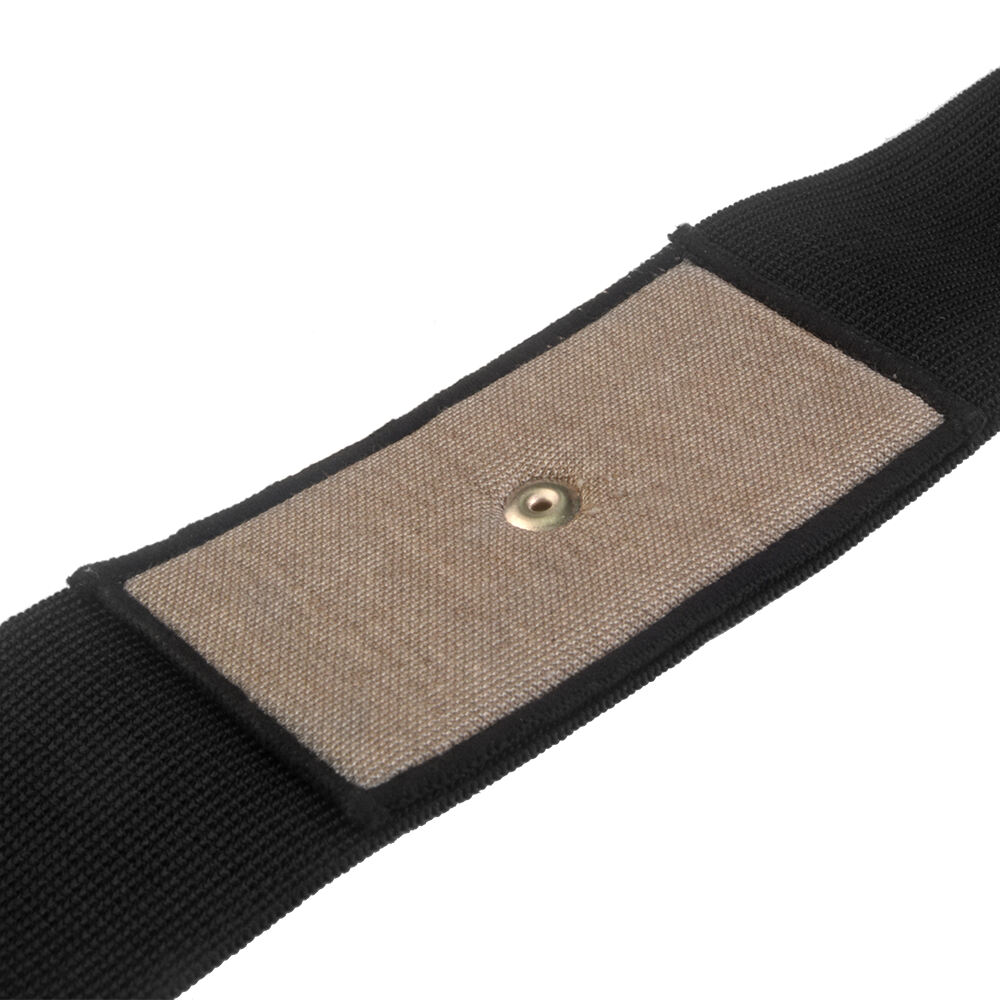
Professional-grade conductive textiles represent a sophisticated blend of traditional fabric construction and advanced material science. The integration of metallic threads, carbon fibers, and specialized coatings creates garments that actively channel static electricity away from sensitive components and personnel. This technology demands respect and understanding from users who depend on these protective systems daily. The investment in quality conductive workwear reflects a commitment to safety standards that extends far beyond initial purchase costs.
Understanding Conductive Fabric Technology
Material Composition and Construction
Modern conductive fabrics utilize various approaches to achieve electrical conductivity while maintaining comfort and durability. Silver-plated nylon threads, copper-core polyester fibers, and carbon-infused synthetic materials each offer distinct advantages in different applications. The base fabric typically consists of cotton, polyester, or cotton-polyester blends that provide structural integrity and comfort. These base materials are then enhanced through weaving or knitting processes that incorporate conductive elements at precise intervals to ensure consistent electrical properties throughout the garment.
The manufacturing process requires careful attention to thread tension, weave patterns, and finishing treatments that can affect conductivity. Quality control measures during production ensure that each conductive garment meets specified resistance values and maintains uniform electrical properties across all areas. Understanding these construction details helps users appreciate why proper care protocols are essential for maintaining performance standards over time.
Electrical Properties and Performance Standards
Conductive garments must meet specific electrical resistance requirements to function effectively in static-sensitive environments. Industry standards typically require surface resistivity values between 10^6 and 10^9 ohms per square, ensuring adequate static dissipation without creating electrical hazards. These measurements are conducted under controlled laboratory conditions using standardized test methods that account for humidity, temperature, and fabric conditioning.
Performance degradation occurs gradually through normal wear and improper care practices. Contamination from oils, detergents, and environmental pollutants can create insulating barriers that compromise electrical pathways. Regular testing and monitoring of electrical properties provide early warning signs when garments require replacement or specialized restoration treatments. Users who understand these performance parameters can make informed decisions about care protocols and replacement schedules.
Pre-Cleaning Assessment and Preparation
Visual Inspection and Damage Assessment
Before beginning any cleaning process, thorough visual inspection identifies potential issues that could worsen during washing. Look for signs of wear including frayed seams, loose threads, or areas where conductive fibers appear damaged or missing. Pay particular attention to high-stress areas such as elbows, knees, and pocket edges where mechanical wear typically occurs first. Document any damage with photographs and measurements to track deterioration patterns over time.
Check all closures, including zippers, snaps, and hook-and-loop fasteners for proper function and alignment. Damaged hardware can cause additional stress on surrounding fabric during cleaning cycles. Inspect label information to verify care instructions and note any special requirements or restrictions. This preliminary assessment guides cleaning decisions and helps prevent costly damage during the maintenance process.
Contamination Analysis and Pre-Treatment
Different types of contamination require specific pre-treatment approaches to ensure effective cleaning without damaging conductive properties. Oil-based stains need solvent-based pre-treatment, while water-soluble contaminants respond better to aqueous solutions. Identify the nature of soiling through visual examination and workplace history to select appropriate pre-treatment methods.
Test pre-treatment solutions on inconspicuous areas before full application to ensure compatibility with conductive fibers. Some cleaning agents can cause permanent damage to metallic threads or conductive coatings. Apply pre-treatment solutions using gentle dabbing motions rather than aggressive rubbing that could displace or damage conductive elements. Allow adequate dwell time for pre-treatment products to work effectively before proceeding to full cleaning.
Washing Protocols and Best Practices
Water Temperature and Chemical Selection
Water temperature plays a crucial role in cleaning effectiveness while preserving conductive properties. Most conductive garment manufacturers recommend cool to lukewarm water temperatures not exceeding 30-40°C (86-104°F). Higher temperatures can cause thermal stress on metallic fibers and may affect the bonding of conductive coatings to base fabrics. Temperature consistency throughout the wash cycle prevents differential thermal expansion that could damage delicate conductive pathways.
Detergent selection requires careful consideration of chemical compatibility with conductive materials. Avoid products containing bleach, fabric softeners, or optical brighteners that can coat conductive fibers and create insulating barriers. Choose mild, phosphate-free detergents specifically formulated for technical textiles or synthetic materials. Enzyme-based detergents can effectively remove protein-based soils without damaging conductive elements when used at appropriate concentrations.
Mechanical Action and Cycle Selection
Gentle mechanical action preserves the integrity of conductive fibers while achieving effective cleaning. Select delicate or hand-wash cycles that minimize agitation and reduce stress on conductive elements. Avoid high-speed spin cycles that can cause excessive stretching or distortion of fabric structure. Load washing machines with adequate water levels to ensure proper dilution of cleaning agents and reduce friction between garments.
Consider washing conductive garments separately from other workwear to prevent contamination and reduce mechanical stress. Mixed loads can transfer oils, dyes, and other materials that compromise conductive properties. Use mesh laundry bags for small items or garments with delicate construction to provide additional protection during the wash cycle. Monitor wash cycles to ensure proper completion and address any issues that arise during cleaning.
Drying and Storage Considerations
Air Drying Techniques and Environmental Control
Proper drying methods are essential for maintaining the structural integrity and electrical properties of conductive textiles. Air drying represents the safest approach, eliminating thermal stress and mechanical damage associated with machine drying. Hang garments on non-metallic hangers to prevent galvanic reactions that could damage conductive fibers. Ensure adequate air circulation around all surfaces to promote even drying and prevent moisture accumulation that could support microbial growth.
Control environmental conditions during the drying process to optimize results and prevent damage. Avoid direct sunlight that can cause UV degradation of synthetic fibers and fade protective coatings. Maintain moderate humidity levels to prevent excessive static buildup during drying while ensuring complete moisture removal. Position garments away from heat sources, chemicals, and contaminants that could affect performance or create safety hazards.
Storage Environment and Long-Term Preservation
Long-term storage requires careful attention to environmental conditions that can affect conductive garment performance over time. Clean, dry storage areas with stable temperature and humidity levels prevent degradation and extend service life. Avoid storage in areas with temperature extremes, high humidity, or chemical contamination that could damage conductive elements. Use breathable garment bags or containers that allow air circulation while protecting against dust and contaminants.
Organize storage systems to minimize handling and reduce mechanical stress during retrieval and replacement. Fold garments along natural seam lines to prevent creasing and stress concentration in conductive areas. Rotate stock to ensure even usage and prevent prolonged storage that could affect material properties. Implement inventory tracking systems that monitor storage duration and schedule periodic inspection and testing of stored garments.
Maintenance Testing and Quality Assurance
Electrical Testing Protocols
Regular electrical testing ensures that conductive garments continue to meet performance requirements throughout their service life. Establish testing schedules based on usage frequency, environmental conditions, and manufacturer recommendations. Use calibrated instruments designed for measuring surface resistivity and point-to-point resistance in textile applications. Document all test results to track performance trends and identify garments requiring attention or replacement.
Standardize testing procedures to ensure consistent and reproducible results across different operators and time periods. Control environmental conditions during testing, including temperature and humidity levels that can affect electrical measurements. Train personnel in proper testing techniques and equipment operation to maintain data quality and ensure safety during electrical measurements. Establish pass-fail criteria based on industry standards and specific application requirements.
Performance Monitoring and Record Keeping
Comprehensive record keeping provides valuable insights into garment performance and helps optimize care protocols over time. Document cleaning dates, methods used, test results, and any observations about garment condition or performance. Track individual garments through unique identification systems that correlate maintenance history with performance data. Analyze trends to identify patterns that indicate effective care practices or highlight areas requiring improvement.
Implement quality assurance systems that verify compliance with care protocols and performance standards. Regular audits ensure that established procedures are followed consistently and identify opportunities for process improvement. Share performance data with suppliers and manufacturers to support product development and improvement initiatives. Use historical data to establish realistic service life expectations and optimize replacement scheduling for cost-effective operations.
Troubleshooting Common Issues
Performance Degradation and Recovery Methods
When conductive garments show signs of performance degradation, systematic troubleshooting can often identify correctable issues before replacement becomes necessary. Common causes include contamination buildup, mechanical damage, or improper care practices that create insulating barriers on conductive surfaces. Begin troubleshooting by reviewing recent care history and identifying any deviations from established protocols that might explain performance changes.
Specialized cleaning treatments can sometimes restore conductivity in garments showing mild performance degradation. Antistatic rinse agents designed for technical textiles can remove residual contaminants and restore electrical pathways. Professional restoration services offer advanced cleaning and reconditioning treatments that extend service life for high-value garments. Evaluate the cost-effectiveness of restoration versus replacement based on garment age, condition, and performance requirements.
Damage Prevention and Early Intervention
Proactive damage prevention strategies reduce maintenance costs and extend garment service life significantly. Train users in proper wearing practices that minimize mechanical stress and prevent contamination. Establish protocols for immediate treatment of spills and stains before they can penetrate deeply into fabric structure. Provide adequate inventory levels to allow proper rotation and prevent overuse of individual garments.
Early intervention at the first signs of wear or performance degradation prevents minor issues from becoming major problems. Implement inspection schedules that identify developing problems before they affect workplace safety or equipment protection. Establish clear criteria for removing garments from service and initiating corrective actions. Document all interventions to build knowledge bases that support continuous improvement in care protocols and user training.
FAQ
How often should conductive garments be washed
The washing frequency for conductive garments depends on usage intensity and environmental conditions. In typical cleanroom or electronics manufacturing environments, weekly washing maintains optimal performance and hygiene. Heavy-use applications or contaminated environments may require daily washing, while light-duty applications might extend to bi-weekly schedules. Monitor garment condition and electrical performance to establish optimal washing frequencies for specific applications and work environments.
Can regular detergent be used for washing conductive garments
Regular household detergents are not recommended for conductive garments due to additives that can compromise electrical properties. Fabric softeners, brighteners, and certain surfactants create insulating films on conductive fibers. Use mild, technical detergents specifically formulated for synthetic materials or antistatic textiles. These specialized products clean effectively while preserving conductivity and extending garment service life through gentle chemical formulations.
What storage conditions are best for maintaining conductive garment performance
Optimal storage conditions include clean, dry environments with stable temperature and humidity levels between 20-25°C (68-77°F) and 40-60% relative humidity. Avoid areas with chemical contamination, extreme temperatures, or high humidity that can affect conductive properties. Use breathable storage containers that allow air circulation while protecting against dust and contaminants. Proper storage significantly extends service life and maintains electrical performance between uses.
How can users tell when a conductive garment needs replacement
Replacement indicators include electrical test results outside acceptable ranges, visible damage to conductive elements, or persistent contamination that cannot be removed through normal cleaning. Physical signs such as excessive wear, holes, or frayed seams also indicate replacement needs. Establish regular testing schedules and document performance trends to identify gradual degradation before it affects workplace safety. Replace garments that no longer meet specified electrical resistance requirements or show signs of structural failure.


