 EN
EN

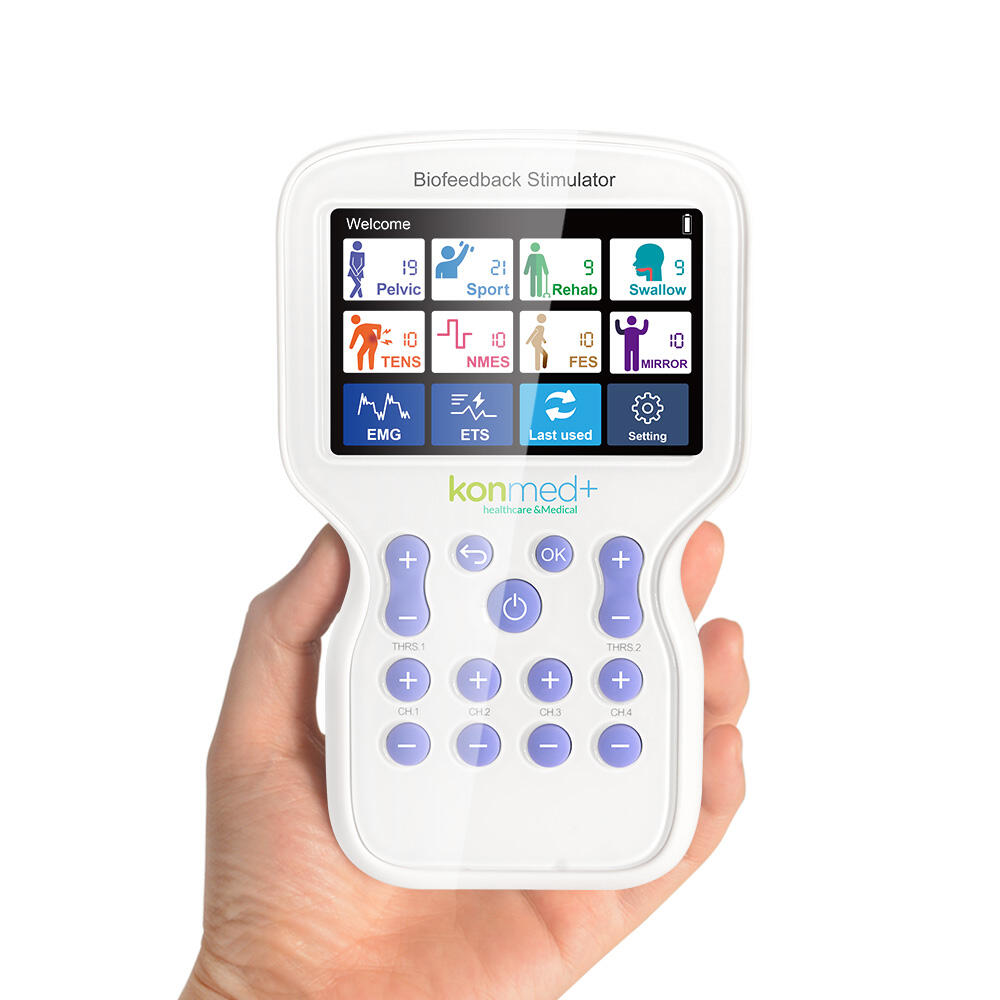
Chronic pain affects millions of people worldwide, disrupting daily activities and diminishing quality of life. Traditional pain management approaches often rely heavily on medications, which may provide temporary relief but can lead to dependency or unwanted side effects. Biofeedback training has emerged as a revolutionary non-invasive technique that empowers individuals to take control of their pain management through conscious awareness and physiological self-regulation.

This innovative approach works by providing real-time feedback about physiological processes that are typically unconscious, such as muscle tension, heart rate variability, and brainwave patterns. By learning to recognize and modify these bodily responses, patients can effectively reduce pain intensity and develop long-term coping strategies that promote healing and wellness.
Understanding the Science Behind Biofeedback for Pain Management
Neuroplasticity and Pain Perception
The human brain possesses remarkable plasticity, allowing it to reorganize neural pathways in response to training and experience. Biofeedback leverages this neuroplasticity by teaching patients to consciously influence their autonomic nervous system responses. When individuals learn to control physiological processes through biofeedback techniques, they essentially rewire their brain's pain processing mechanisms.
Research demonstrates that chronic pain often involves maladaptive neural patterns that amplify pain signals beyond their protective function. Through consistent biofeedback practice, patients can interrupt these pain cycles and establish healthier neural pathways that reduce pain perception and improve overall functioning.
Physiological Mechanisms of Pain Reduction
Biofeedback training activates several physiological mechanisms that contribute to pain reduction. The relaxation response triggered by biofeedback practices decreases cortisol levels, reduces inflammatory markers, and promotes the release of endorphins—the body's natural pain-relieving chemicals. These biochemical changes create an optimal internal environment for healing and pain management.
Additionally, biofeedback helps patients develop enhanced interoceptive awareness, which is the ability to sense and interpret internal bodily signals. This heightened awareness allows individuals to detect early warning signs of pain flares and implement preventive strategies before symptoms escalate to debilitating levels.
Types of Biofeedback Modalities for Chronic Pain
Electromyography Biofeedback
Electromyography (EMG) biofeedback focuses on muscle tension monitoring and relaxation training. This modality is particularly effective for conditions involving muscle-related pain, such as tension headaches, temporomandibular joint disorders, and chronic back pain. Patients learn to identify subtle changes in muscle tension and develop skills to consciously reduce muscular stress.
EMG biofeedback training typically involves placing surface electrodes on specific muscle groups to measure electrical activity. The feedback is presented through visual or auditory signals that change in response to muscle tension levels, allowing patients to see immediate results from their relaxation efforts and reinforcing successful techniques.
Heart Rate Variability Training
Heart rate variability (HRV) biofeedback trains individuals to achieve coherent heart rhythm patterns that promote optimal nervous system balance. This technique is especially beneficial for pain conditions associated with stress, anxiety, or autonomic dysfunction, as it helps regulate the balance between sympathetic and parasympathetic nervous system activity.
During HRV training, patients learn specific breathing techniques while monitoring their heart rhythm patterns on a display screen. The goal is to achieve a smooth, sine-wave-like pattern that indicates optimal physiological coherence and enhanced resilience to pain and stress.
Clinical Applications and Treatment Protocols
Integration with Comprehensive Pain Management
Effective biofeedback treatment for chronic pain typically involves a structured protocol that combines multiple modalities with conventional medical care. Treatment plans are individualized based on the specific pain condition, patient preferences, and treatment goals. Most protocols include an initial assessment phase, skill acquisition training, and long-term maintenance strategies.
The integration process begins with a thorough evaluation of the patient's pain history, current symptoms, and psychosocial factors that may influence treatment outcomes. This comprehensive assessment guides the selection of appropriate biofeedback modalities and helps establish realistic treatment expectations and measurable goals.
Treatment Duration and Frequency
Research indicates that optimal results from biofeedback training typically require consistent practice over 8-12 weeks, with sessions occurring 1-2 times per week. Each session usually lasts 45-60 minutes and includes both guided training and independent practice components. Home practice using portable biofeedback devices or smartphone applications enhances skill development and maintains progress between clinical sessions.
Long-term success depends on the patient's commitment to regular practice and the gradual transition from device-assisted training to self-directed techniques. Many patients continue to benefit from periodic booster sessions to refine their skills and address new challenges that may arise over time.
Evidence-Based Outcomes and Research Findings
Clinical Trial Results
Extensive research demonstrates the effectiveness of biofeedback for various chronic pain conditions. Meta-analyses of randomized controlled trials show significant pain reduction, improved functional capacity, and enhanced quality of life among patients who complete biofeedback training programs. Effect sizes for pain reduction typically range from moderate to large, with many patients experiencing 30-50% improvement in pain intensity scores.
Studies specifically examining biofeedback for fibromyalgia, chronic headaches, and low back pain consistently report positive outcomes that are maintained at follow-up assessments 6-12 months post-treatment. These findings support biofeedback as an evidence-based intervention that produces lasting benefits for chronic pain management.
Comparative Effectiveness Research
Comparative effectiveness studies indicate that biofeedback training produces similar or superior outcomes compared to other non-pharmacological pain management approaches, including cognitive-behavioral therapy, progressive muscle relaxation, and mindfulness-based interventions. The advantage of biofeedback lies in its objective feedback mechanism, which helps patients develop precise control over physiological responses and builds confidence in their ability to manage pain independently.
Economic analyses demonstrate that biofeedback training provides excellent value by reducing healthcare utilization, medication costs, and disability-related expenses. The initial investment in biofeedback training often pays for itself through reduced medical expenses and improved work productivity within the first year following treatment completion.
Implementation Strategies for Healthcare Providers
Training and Certification Requirements
Healthcare providers interested in offering biofeedback services must complete specialized training and certification through recognized professional organizations. The Biofeedback Certification International Alliance (BCIA) provides comprehensive certification programs that ensure practitioners have the knowledge and skills necessary to deliver safe, effective biofeedback interventions for pain management.
Certification requirements typically include didactic education covering physiological principles, instrumentation, and clinical applications, along with hands-on training and supervised clinical experience. Ongoing continuing education ensures that certified practitioners stay current with evolving research and technological advances in the field.
Equipment and Technology Considerations
Modern biofeedback systems offer sophisticated features that enhance treatment effectiveness and patient engagement. High-quality equipment provides accurate, real-time physiological measurements with user-friendly displays and customizable feedback options. Many systems now include gamification elements, mobile connectivity, and cloud-based data storage that support both clinical and home-based training.
When selecting biofeedback equipment, healthcare providers should consider factors such as measurement accuracy, ease of use, patient population needs, and integration capabilities with existing electronic health record systems. Investment in reliable, well-supported equipment ensures consistent treatment delivery and optimal patient outcomes.
Patient Selection and Treatment Planning
Ideal Candidate Characteristics
Successful biofeedback outcomes depend partly on patient characteristics and motivation levels. Ideal candidates typically demonstrate openness to learning self-regulation techniques, willingness to practice regularly, and realistic expectations about treatment timelines and outcomes. Patients with higher levels of intrinsic motivation and those who view biofeedback as empowering tend to achieve better results.
Cognitive factors such as attention span, memory function, and learning ability also influence treatment success. However, biofeedback can be adapted for patients with varying cognitive abilities through simplified protocols, extended training periods, and additional support from family members or caregivers.
Contraindications and Safety Considerations
Biofeedback training is generally safe for most patients, but certain medical conditions may require special precautions or contraindicate specific modalities. Patients with cardiac arrhythmias should use HRV biofeedback only under medical supervision, while those with seizure disorders may need modified EEG protocols to avoid potential triggering of seizure activity.
Mental health conditions such as severe depression, anxiety disorders, or psychotic symptoms may interfere with biofeedback training or require concurrent psychological treatment. Comprehensive screening helps identify potential contraindications and ensures that biofeedback is implemented safely as part of an integrated treatment approach.
FAQ
How quickly can patients expect to see results from biofeedback training
Most patients begin to notice improvements within 4-6 weeks of consistent biofeedback practice, with more substantial and lasting benefits emerging after 8-12 weeks of training. Individual response times vary based on factors such as pain duration, severity, underlying condition, and commitment to regular practice. Some patients experience immediate relaxation effects during sessions, while the development of long-term self-regulation skills requires more time and dedication.
Can biofeedback completely eliminate chronic pain
While biofeedback can significantly reduce chronic pain for many patients, complete pain elimination is not a realistic expectation for most individuals with established chronic pain conditions. The primary goals of biofeedback training are to reduce pain intensity, improve functional capacity, decrease reliance on pain medications, and enhance overall quality of life. Many patients achieve substantial pain reduction that allows them to resume activities and maintain independence.
Is biofeedback training covered by insurance plans
Insurance coverage for biofeedback varies depending on the specific plan, medical necessity determination, and provider credentials. Many insurance companies cover biofeedback when provided by licensed healthcare professionals for medically documented chronic pain conditions. Patients should verify coverage details with their insurance provider and healthcare facility prior to beginning treatment to understand potential out-of-pocket costs and authorization requirements.
What happens if patients stop practicing biofeedback techniques
The benefits of biofeedback training tend to diminish gradually if patients discontinue regular practice, though some individuals maintain improvements for extended periods. Most practitioners recommend ongoing maintenance practice, even if less frequent than during initial training phases. Periodic booster sessions can help patients refresh their skills and address any decline in effectiveness. The key is establishing sustainable practice routines that patients can maintain long-term as part of their overall pain management strategy.
Table of Contents
- Understanding the Science Behind Biofeedback for Pain Management
- Types of Biofeedback Modalities for Chronic Pain
- Clinical Applications and Treatment Protocols
- Evidence-Based Outcomes and Research Findings
- Implementation Strategies for Healthcare Providers
- Patient Selection and Treatment Planning
- FAQ


