 EN
EN

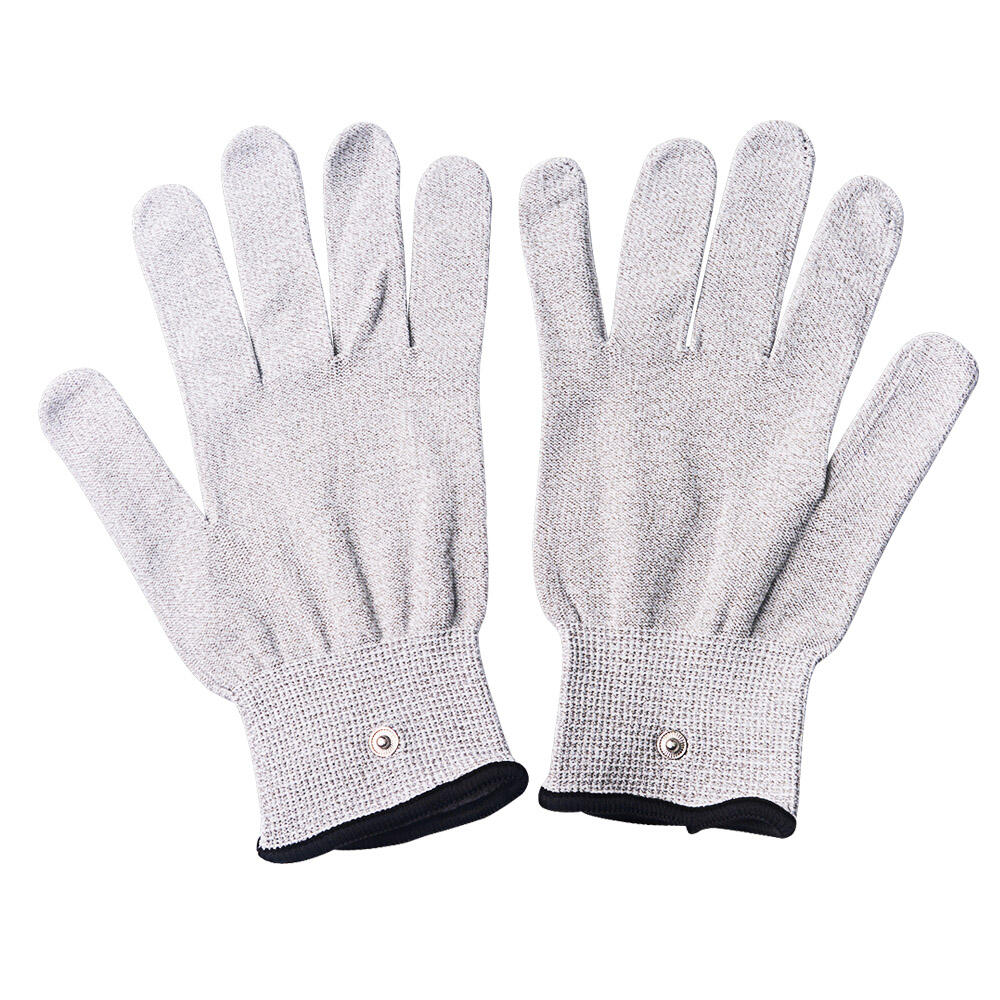
The adhesive properties of electrode patches play a crucial role in determining patient comfort during extended medical monitoring and treatment sessions. Healthcare professionals increasingly recognize that the quality of adhesion directly impacts both the effectiveness of electrical signal transmission and the overall patient experience. Understanding how these adhesive characteristics influence long-term wear comfort has become essential for selecting appropriate medical electrodes in various clinical applications.
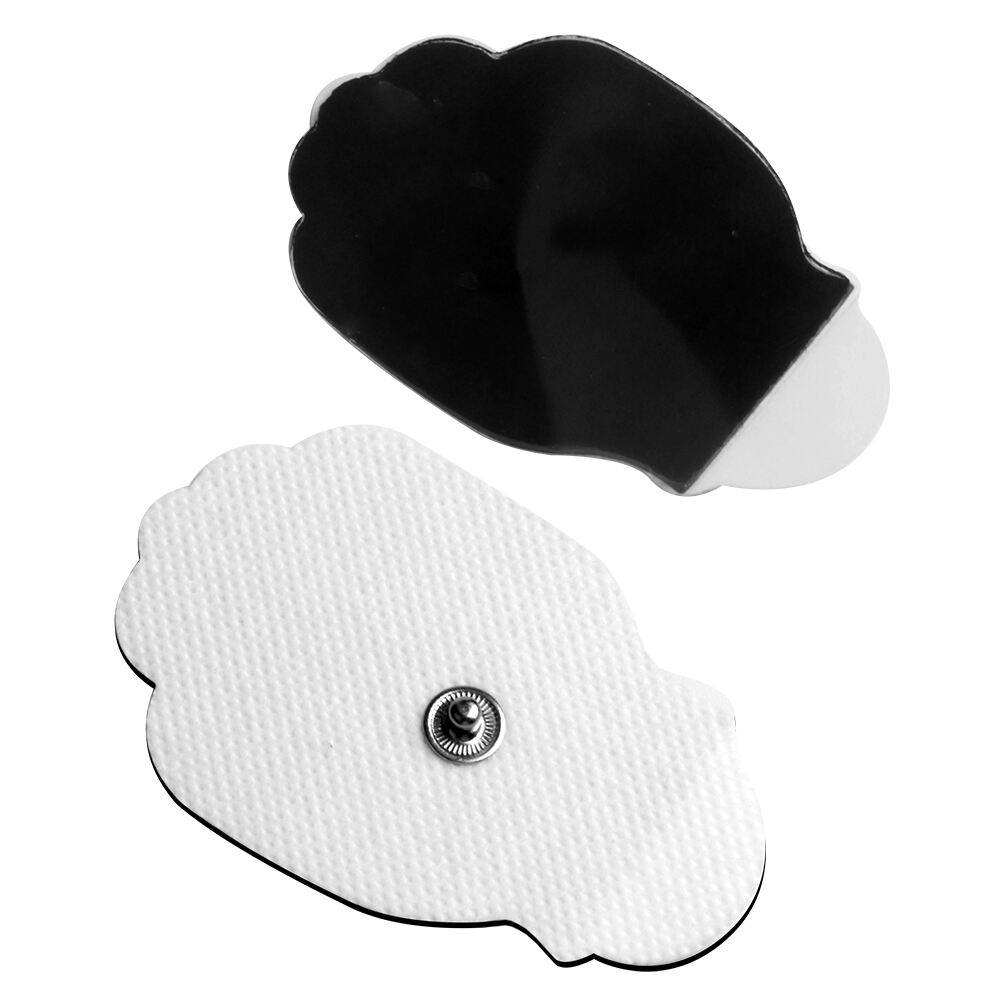
Modern electrode patches utilize sophisticated adhesive formulations designed to maintain secure attachment while minimizing skin irritation and discomfort. The balance between adhesive strength and skin compatibility represents a critical engineering challenge that manufacturers continuously work to optimize. When electrode patches maintain proper adhesion without causing excessive tension or pulling on the skin, patients experience significantly improved comfort levels during prolonged monitoring periods.
The relationship between adhesive properties and wear comfort extends beyond simple attachment strength. Factors such as breathability, moisture management, and flexibility all contribute to the overall comfort equation. Advanced electrode patches incorporate breathable adhesive systems that allow natural skin respiration while maintaining reliable electrical contact, reducing the likelihood of skin maceration and associated discomfort that often occurs with traditional non-breathable alternatives.
Adhesive Chemistry and Skin Compatibility
Hydrogel-Based Adhesive Systems
Hydrogel adhesives represent one of the most significant advances in electrode patches technology, offering superior skin compatibility compared to traditional rubber-based alternatives. These water-based formulations provide gentle adhesion that conforms to skin contours while maintaining consistent electrical conductivity. The high water content in hydrogel electrode patches creates a more comfortable interface with the skin, reducing the inflammatory responses commonly associated with prolonged electrode application.
The molecular structure of hydrogel adhesives allows for controlled moisture exchange between the skin and the surrounding environment. This characteristic proves particularly beneficial during extended wear periods, as it helps maintain optimal skin hydration levels beneath the electrode patches. Healthcare providers have observed significantly reduced incidence of contact dermatitis and skin irritation when utilizing hydrogel-based electrode patches in long-term monitoring applications.
Silicone Adhesive Innovations
Silicone-based adhesives have emerged as another breakthrough in electrode patches design, offering exceptional biocompatibility and repositioning capabilities. These advanced formulations provide strong initial adhesion that gradually increases over time, creating a secure bond without the aggressive tackiness that characterizes some traditional adhesive systems. The gentle nature of silicone adhesives makes them particularly suitable for patients with sensitive skin or those requiring frequent electrode patches replacement.
The unique properties of silicone adhesives enable electrode patches to maintain consistent performance even when subjected to patient movement and environmental factors. Unlike conventional adhesives that may lose effectiveness when exposed to moisture or temperature fluctuations, silicone-based systems demonstrate remarkable stability across varying conditions. This reliability translates to improved patient comfort and reduced need for electrode patches repositioning during extended monitoring sessions.
Mechanical Properties Affecting Comfort
Flexibility and Conformability
The mechanical flexibility of electrode patches adhesives significantly influences patient comfort, particularly during movement and routine activities. Rigid adhesive systems create tension points that can lead to skin pulling and discomfort, while flexible formulations allow the electrode patches to move naturally with skin deformation. Advanced adhesive technologies incorporate elastomeric properties that enable the electrodes to stretch and contract with normal skin movement without compromising adhesion or electrical contact.
Conformability represents another critical aspect of electrode patches comfort, as it determines how well the adhesive adapts to individual skin topology and body contours. High-conformability adhesives create uniform contact pressure distribution, eliminating pressure points that could cause discomfort or skin damage. This characteristic becomes particularly important in applications where electrode patches must be placed over curved or irregular body surfaces, such as joints or muscular areas.
Peel Strength Management
The peel strength characteristics of electrode patches adhesives must be carefully balanced to ensure secure attachment without causing trauma during removal. Excessive peel strength can result in painful removal experiences and potential skin damage, while insufficient adhesion may lead to electrode displacement and signal quality degradation. Modern electrode patches utilize adhesive systems with optimized peel strength profiles that provide reliable attachment throughout the wear period while enabling comfortable, trauma-free removal.
Advanced adhesive formulations incorporate time-dependent peel strength characteristics that allow for initial gentle application followed by gradual strength development. This approach enables healthcare providers to position electrode patches accurately during initial placement while ensuring long-term adhesion stability. The controlled peel strength profile also facilitates easier removal at the end of the monitoring period, reducing patient anxiety and discomfort associated with electrode patches removal procedures.
Environmental Factors and Durability
Moisture Resistance and Breathability
The ability of electrode patches to manage moisture represents a fundamental factor in long-term wear comfort. Excessive moisture accumulation beneath the electrode can lead to skin maceration, bacterial growth, and adhesive failure, all of which compromise patient comfort and safety. Advanced electrode patches incorporate moisture-resistant adhesive systems that maintain adhesion performance even in high-humidity environments or when exposed to perspiration.
Breathable adhesive technologies allow controlled vapor transmission while maintaining waterproof barriers against liquid penetration. This selective permeability ensures that electrode patches remain functional during patient bathing or exposure to environmental moisture while preventing the buildup of trapped humidity that could cause skin irritation. The balance between moisture protection and breathability represents a key innovation in modern electrode patches design.
Temperature Stability and Performance
Temperature variations can significantly impact the performance and comfort characteristics of electrode patches adhesives. High temperatures may cause adhesive softening and increased tackiness, leading to discomfort during removal, while low temperatures can make adhesives brittle and prone to edge lifting. Modern electrode patches utilize thermally stable adhesive formulations that maintain consistent properties across physiological temperature ranges and typical environmental conditions.
The thermal stability of electrode patches adhesives also influences their shelf life and storage requirements. Advanced formulations maintain adhesive integrity and performance characteristics even when exposed to temperature fluctuations during shipping and storage. This stability ensures that electrode patches perform consistently regardless of environmental conditions encountered before application, providing predictable comfort and performance for both patients and healthcare providers.
Patient-Specific Considerations
Skin Sensitivity and Allergy Management
Individual patient skin sensitivity represents a critical factor in electrode patches selection and comfort optimization. Some patients demonstrate allergic reactions to specific adhesive components, necessitating the use of hypoallergenic formulations that minimize the risk of contact sensitization. Modern electrode patches manufacturers offer specialized products designed for sensitive skin applications, incorporating gentle adhesive systems that reduce the likelihood of adverse skin reactions.
The development of latex-free and other allergen-free electrode patches has expanded the range of patients who can comfortably utilize these medical devices. Healthcare providers must consider individual patient medical histories and known sensitivities when selecting appropriate electrode patches for long-term applications. The availability of multiple adhesive formulations allows for personalized electrode selection that optimizes comfort while maintaining clinical effectiveness.
Age-Related Skin Characteristics
Patient age significantly influences skin characteristics and corresponding electrode patches comfort requirements. Elderly patients often have more fragile skin that requires gentler adhesive systems to prevent trauma during application and removal. Pediatric applications present different challenges, as young patients may have more sensitive skin and greater activity levels that test adhesive performance limits.
Specialized electrode patches designed for different age groups incorporate adhesive systems optimized for specific skin characteristics. Geriatric formulations typically feature lower adhesive strength with enhanced removability, while pediatric electrode patches may incorporate fun colors or patterns to reduce patient anxiety while maintaining appropriate adhesive performance. These age-specific considerations ensure optimal comfort across all patient demographics requiring electrode monitoring.
Clinical Applications and Wear Duration
Short-Term Monitoring Applications
Short-term electrode patches applications, such as routine ECG monitoring or brief diagnostic procedures, have different adhesive requirements compared to extended wear applications. These situations may prioritize quick application and removal convenience over long-term adhesive stability. However, even short-term electrode patches must provide adequate comfort to ensure patient cooperation and accurate signal acquisition.
The adhesive properties of short-term electrode patches typically emphasize initial tack and conformability rather than extended durability. These formulations allow for rapid, secure attachment that provides stable electrical contact throughout the monitoring procedure while enabling easy removal without skin trauma. The balance between adequate adhesion and gentle removal becomes particularly important in emergency or critical care situations where patient comfort and rapid electrode placement are both essential.
Extended Monitoring Requirements
Long-term monitoring applications, such as Holter monitoring or continuous cardiac surveillance, place demanding requirements on electrode patches adhesive systems. These applications may require electrode patches to maintain performance for 24 hours to several days while ensuring patient comfort throughout the entire wear period. The adhesive must resist degradation from body oils, perspiration, and mechanical stress while maintaining consistent electrical contact.
Extended-wear electrode patches utilize specialized adhesive formulations that provide sustained adhesion without increasing skin irritation over time. These systems often incorporate staged adhesive release mechanisms that maintain bond strength while minimizing the accumulation of adhesive residue on the skin. The result is electrode patches that remain comfortable and functional throughout extended monitoring periods while facilitating clean removal at the conclusion of the study.
Future Innovations in Adhesive Technology
Smart Adhesive Systems
Emerging smart adhesive technologies represent the next frontier in electrode patches development, incorporating responsive materials that adapt to changing conditions during wear. These intelligent systems can modify their adhesive properties based on factors such as skin moisture, temperature, or mechanical stress, optimizing comfort and performance in real-time. Smart electrode patches may feature adhesives that become more breathable as moisture levels increase or adjust their flexibility based on patient movement patterns.
The integration of smart materials into electrode patches adhesive systems promises to address many current limitations in long-term wear comfort. These technologies may enable electrode patches that automatically adjust their adhesive strength based on skin sensitivity or environmental conditions, providing personalized comfort optimization without compromising electrical performance. The development of such advanced electrode patches represents a significant step forward in patient-centered medical device design.
Biocompatible Adhesive Innovations
Research into biocompatible adhesive materials continues to drive innovation in electrode patches design, with new formulations offering improved skin compatibility and reduced inflammatory responses. Bio-inspired adhesives derived from natural sources or synthetic materials that mimic biological adhesion mechanisms show promise for creating electrode patches with superior comfort characteristics. These developments may lead to electrode patches that actually promote skin health during extended wear periods.
The incorporation of antimicrobial agents and skin-conditioning compounds into electrode patches adhesives represents another area of active development. These multifunctional systems not only provide secure adhesion but also contribute to maintaining skin health during extended wear periods. Future electrode patches may feature adhesives that deliver beneficial compounds to the skin while maintaining electrical connectivity, transforming these medical devices from simple monitoring tools into active skin care systems.
FAQ
How long can electrode patches typically be worn comfortably?
The comfortable wear duration for electrode patches varies depending on the adhesive type, skin sensitivity, and application requirements. Standard electrode patches can typically be worn for 24-48 hours with minimal discomfort, while specialized extended-wear formulations may remain comfortable for up to 7 days. Individual patient factors such as skin condition, activity level, and sensitivity significantly influence the actual comfortable wear duration.
What should patients do if they experience skin irritation from electrode patches?
Patients experiencing skin irritation from electrode patches should immediately notify their healthcare provider and consider removal if irritation becomes severe. Mild redness is normal, but persistent itching, burning, or developing rashes indicate potential allergic reactions. Healthcare providers may recommend hypoallergenic electrode patches or alternative monitoring methods for sensitive patients. Proper skin preparation and post-removal care can also help minimize irritation risks.
Can electrode patches adhesive properties affect signal quality?
Yes, adhesive properties directly impact electrode patches signal quality by influencing the stability of skin contact and electrical conductivity. Poor adhesion can lead to electrode movement and signal artifacts, while excessive adhesive strength may create tension that affects signal transmission. Modern electrode patches utilize conductive adhesives that maintain optimal electrical properties while providing appropriate mechanical attachment, ensuring both comfort and signal reliability.
Are there special considerations for electrode patches use in humid environments?
Humid environments present unique challenges for electrode patches performance, as moisture can affect adhesive strength and skin condition. Specialized moisture-resistant electrode patches incorporate waterproof barriers and breathable adhesive systems that maintain performance in high-humidity conditions. Patients in humid climates or engaging in activities that cause perspiration may require electrode patches with enhanced moisture management capabilities to ensure continued comfort and adhesion throughout the monitoring period.


