 EN
EN

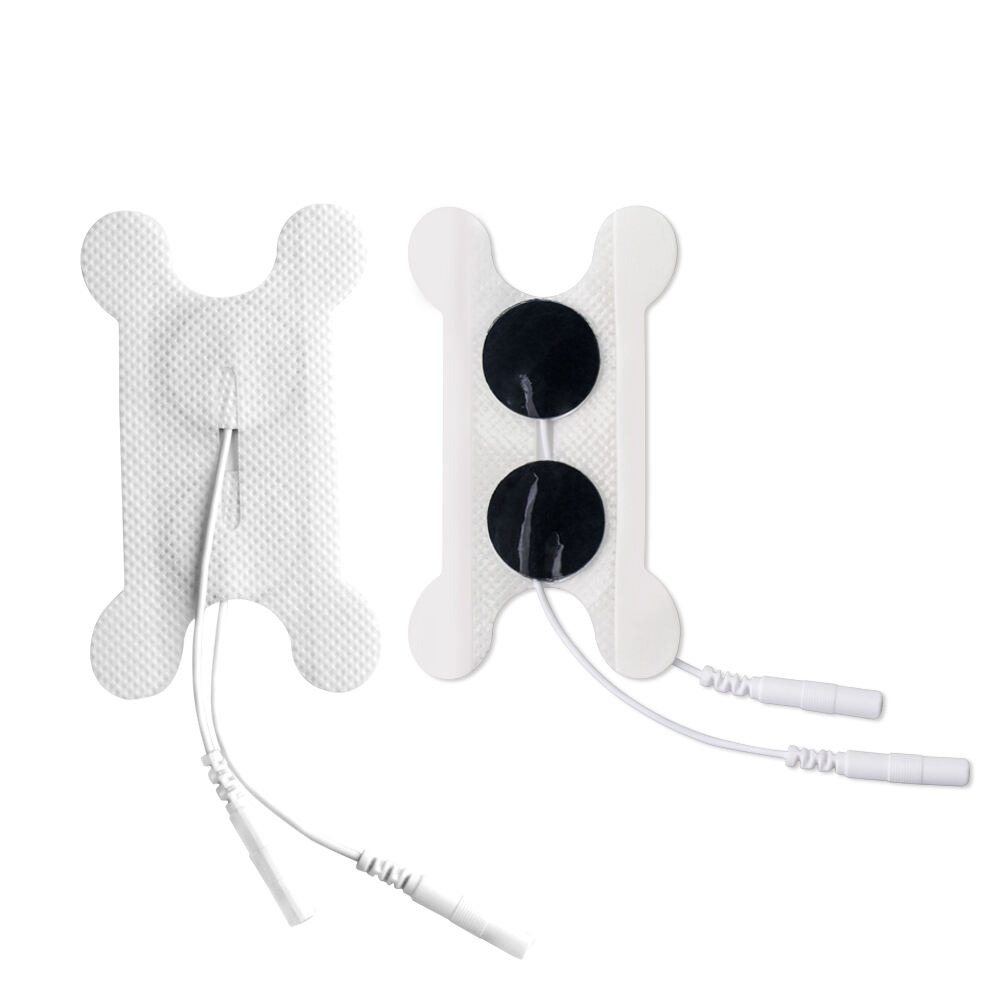
How to Use Electrode Pads for Swallowing Muscle Stimulators: Easy Guide for Beginners
Swallowing muscle stimulators are common devices for dysphagia rehabilitation, and the correct use of electrode pads directly affects treatment effectiveness and safety. This article breaks down the complete usage process, which beginners can refer to directly.
I. Pre-Use Preparation: 2 Steps to Avoid Future Problems
The core is "cleaning + inspection" to ensure fit and safety; do not skip this step.
1)Skin Cleaning and Drying
The skin at the application site must be clean, dry, and unobstructed. Wipe the neck and throat area with warm water and a mild cleanser to remove oil and dirt, then let it air dry naturally to avoid skin damage from friction.
Important Note: If the application site has redness, swelling, damage, infection, or allergies, change the position or suspend use and consult a doctor promptly.
2)Inspection of Electrode Pads and Equipment
Check the electrode pads: Ensure the packaging is intact and within the expiration date. Do not touch the conductive surface after opening; replace if the adhesion is insufficient or if there is damage.
Check the equipment: Ensure it is turned off, the electrode wire ports are not loose or dirty, and household equipment has sufficient power.
II. Core Steps: Applying Electrode Pads and Connecting Equipment
The key is "accurate positioning and tight fit". For specific positions, follow the doctor’s advice or the device manual; the following are general methods.
1)Electrode Pad Positioning: 3 Common Application Methods (Choose as Needed)
Select under the guidance of a doctor to adapt to different rehabilitation needs:
Method 1 (Severe Dysphagia): Attach the two electrodes of Channel 1 above and below the hyoid bone; place the two electrodes of Channel 2 at equal distances, with the lowest one not exceeding the cricoid cartilage.
Method 2 (Most Pharyngeal and Laryngeal Movement Defects): Attach the two electrodes of Channel 1 horizontally above the hyoid bone, and the two electrodes of Channel 2 horizontally on both sides of the thyroid cartilage, avoiding stimulation of the carotid sinus.
Method 3 (Dysphagia with Vallecular Stasis): Attach the two electrodes of Channel 1 horizontally above the hyoid bone, and the two electrodes of Channel 2 above the thyroid notch, avoiding deviation.
General Reminder: Attach the electrode pads symmetrically with a spacing of 2-3cm. Do not overlap, and do not attach to sensitive areas or joints. Avoid current flowing through the cardiac projection area.
2)Application Operation: One-Step Process, Avoid Bubbles and Wrinkles
Peel off the protective film of the electrode pad, align it with the position and stick it smoothly. Press from the center to the surroundings to expel air bubbles and ensure full adhesion. Medical tape can be used for auxiliary fixation without covering the conductive area.
3)Equipment Connection: Firm and Secure, Check Before Powering On
Connect both ends of the electrode wire to the electrode pad and the device respectively, press until secure, and confirm that the electrode pad has not shifted after connection.
III. Notes During Use: These Details Determine Rehabilitation Effect and Safety
After starting treatment, focus on the following points to avoid operational risks.
Parameter Adjustment: Adjust the current and frequency as directed by the doctor, starting from a low intensity and gradually increasing. Supervision is required when the current exceeds 10.0.
Treatment Duration: 20-30 minutes per session, 1-2 times a day. Follow the doctor’s advice; do not arbitrarily increase or decrease the time.
Real-Time Observation: If skin tingling, dizziness, or other discomfort occurs, turn off the device immediately, remove the electrode pads, and suspend treatment. Monitor for loose or shifted electrode pads.
Contraindication Reminder: Those with cardiac pacemakers or skin infections are strictly prohibited from use. Do not use with high-frequency equipment or share the same power source.
IV. Post-Use Follow-Up: Proper Handling to Extend Equipment Life and Protect Skin
After treatment, complete the follow-up steps to protect the electrode pads and skin, and extend the service life of the equipment.
1)Removing Electrode Pads: Gentle Operation to Avoid Skin Damage
First, turn off the device and disconnect the connections. Gently lift one corner of the electrode pad and peel it off slowly to avoid rapid pulling, which protects sensitive skin.
2)Maintenance and Replacement of Electrode Pads
Reusable Electrode Pads: Wipe the adhesive surface, stick it back to the original protective film, and store in a cool, dry place. Replace promptly if adhesion decreases or damage occurs; do not peel and stick more than 3 times.
Disposable Electrode Pads: Dispose of properly after use; reuse is strictly prohibited to avoid cross-infection.
3)Skin Care and Equipment Cleaning
Clean the skin at the application site. For mild redness, apply a non-irritating moisturizer; consult a doctor if symptoms persist.
Equipment Cleaning: Wipe the device body with a damp cloth; do not use chemical reagents. Avoid pulling the electrode wire; power on once every six months if not used for a long time.
V. Frequently Asked Questions: Must-See for Beginners to Avoid Usage Mistakes
Q1: What if the electrode pads are not firmly attached and easily fall off?
A: Ensure the skin is clean and dry, and press to expel air bubbles when pasting. Use medical tape for assistance or replace with new electrode pads; avoid attaching to joints.
Q2: Is skin redness and itching after use an allergy?
A: It may be an allergy or skin irritation. Immediately suspend use, clean and observe. If symptoms persist, replace the electrode pads and consult a doctor.
Q3: Can electrode pads be reused?
A: Disposable electrode pads are strictly prohibited from reuse. Reusable ones can be used only if clean, intact, and with good adhesion; replace immediately if damaged or adhesion decreases.
Q4: What happens if the electrode pads are attached to the wrong position?
A: It will affect the rehabilitation effect and may cause dizziness and other discomfort. Confirm the position before pasting; consult a doctor or check the manual if unsure.


